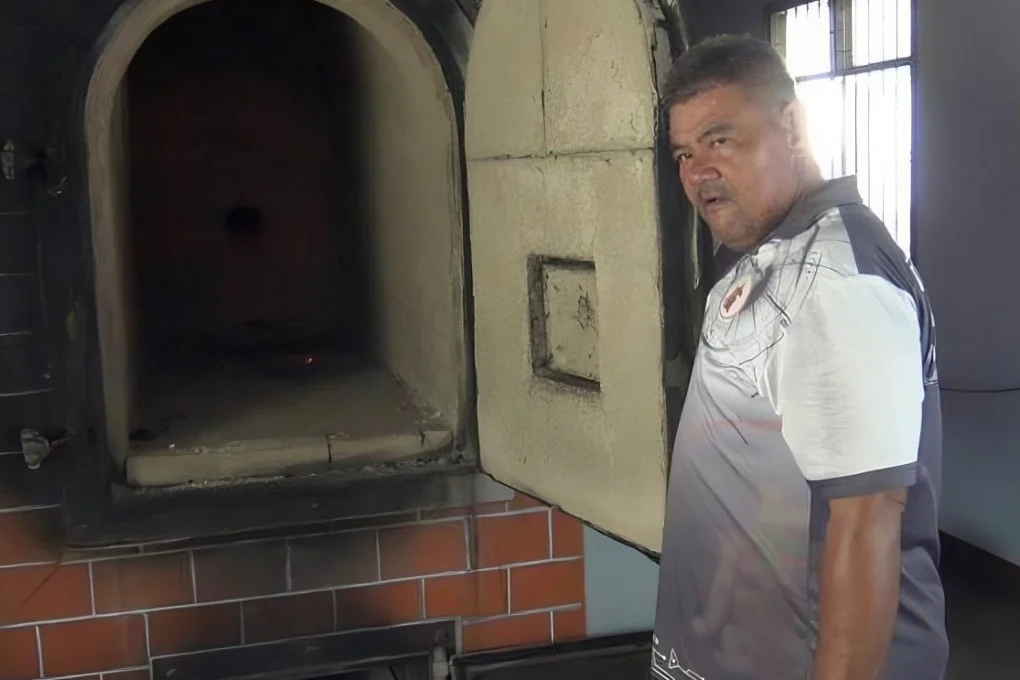
In an unconventional move, a funeral worker in Thailand transported a coffin containing a body to a gas station to assert that he needed fuel for cremation, not for black market sales. This incident comes as the country faces energy supply shortages due to the U.S.-Israeli conflict over Iran, which has significantly impacted oil and gas supplies to most Asian countries.
The incident, which occurred over the weekend, sparked widespread controversy on social media, as the employee displayed the coffin in an attempt to convince the gas station attendants that the additional fuel he required was for legitimate cremation purposes, not for sale on the black market. This action was a reaction to the increasing pressures faced by citizens in Thailand due to rising fuel prices and supply shortages.
Details of the Incident
According to reports, the funeral worker, whose name has not been disclosed, felt concerned about accusations suggesting he was hoarding fuel. Upon arriving at the gas station, he opened the coffin to show the attendants that he had a legitimate reason for requesting fuel. This incident created a stir on social media, with some viewing it as a desperate expression amid difficult economic conditions.
At the same time, Thailand's Prime Minister, Anutin Charnvirakul, confirmed that the country has enough fuel to meet its needs for over three months. However, government statements have not convinced everyone, as many remain worried about the impact of the regional conflict on energy supplies.
Background & Context
Historically, Thailand has experienced several economic crises that have affected energy supplies. In recent years, the country has relied heavily on oil and gas imports, making it vulnerable to fluctuations in global markets. The U.S.-Israeli conflict over Iran has led to reduced oil supplies, affecting fuel prices throughout Asia.
Thailand is one of the largest energy consumers in the region, with its economy heavily dependent on fossil fuels. As economic pressures mount, the government faces significant challenges in managing energy supplies and maintaining price stability.
Impact & Consequences
This incident illustrates how political and economic crises can affect the daily lives of citizens. With rising fuel prices, many are concerned about their ability to meet basic needs. These pressures could lead to increased social tensions and may prompt the government to take urgent action to address the situation.
This incident also reflects how regional crises can impact neighboring countries. As pressures on energy supplies increase, other countries in the region may find themselves facing similar challenges, necessitating greater coordination among governments to tackle these issues.
Regional Significance
The Arab region is also susceptible to fluctuations in energy prices, as many countries rely on oil and gas exports. Regional conflicts, such as the U.S.-Iran dispute, directly affect global energy markets, potentially leading to price increases in Arab countries. These events highlight the importance of diversifying energy sources and enhancing cooperation among Arab nations to ensure supply stability.
In conclusion, the incident involving the funeral worker in Thailand reflects the significant challenges faced by countries amid regional crises. It is crucial for governments to take effective measures to ensure energy supply stability and protect citizens from the impacts of economic crises.