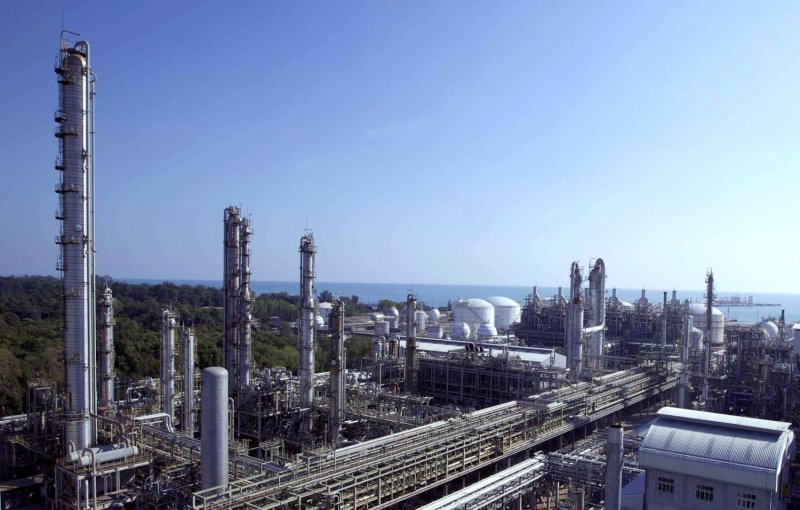
The Thai government has announced a new set of measures aimed at mitigating the impact of rising global oil prices on consumers, yet it has ruled out proposals to intervene in the costs and profits of oil refineries. This decision comes at a time when families and businesses are experiencing financial strain due to escalating fuel prices, raising questions about the effectiveness of these measures in addressing the current energy crisis.
The measures announced include reducing the tax imposed on fuel, increasing financial assistance for welfare cardholders, providing low-interest loans to small and medium-sized enterprises, and supporting agricultural, fishing, construction, and transportation sectors. However, these measures do not include any regulation of the Gross Refining Margin (GRM), which directly affects fuel prices in the market.
Details of the Situation
The Gross Refining Margin (GRM) is the difference between crude oil prices and refined oil prices, reflecting the added costs during the refining process. Although the Petroleum Institute of Thailand (PTIT) asserts that companies are not making higher profits, media reports indicate that rising crude oil prices could widen the gap between crude and refined oil prices, thus increasing refinery profits.
In this context, Korujit Nakornthab, the executive director of the institute, noted that the refining margin is not the net profit of oil refineries, as there are additional costs such as insurance premiums and shipping costs that have risen due to regional crises, such as the ongoing conflict between Israel and Iran.
Background & Context
Historically, oil prices have experienced significant fluctuations due to geopolitical crises and changes in supply and demand. In recent years, crises such as the war in Ukraine have led to sharp increases in oil prices, impacting the economies of oil-importing countries, including Thailand. Thailand is one of the countries that heavily relies on oil imports, producing around 1.1-1.2 million barrels per day, while domestic demand exceeds 750,000 barrels per day.
Oil prices in Thailand are significantly influenced by refined oil prices in Singapore, as prices there serve as a key benchmark for petroleum products in Asia. If refinery prices in Thailand are lower than those in Singapore, traders will export oil to Singapore to take advantage of the price difference.
Impact & Consequences
Experts assert that government intervention in the refining margin may be necessary under current circumstances, as pressure on families and businesses increases due to rising fuel prices. Energy Minister Akanat Promphan has suggested setting a cap on the refining margin if it rises significantly, which could help alleviate the financial burden on consumers.
However, Transport Minister Viphat Ratchakitprakarn warned that intervention could harm free trade principles. Meanwhile, Korn Chatikavanij, a parliament member and former finance minister, urged the government to regulate the refining margin, indicating the need to allocate a portion of refinery profits to a fuel price support fund, which is currently facing severe shortages.
Regional Significance
Arab countries are significantly affected by global oil prices, as most of their economies rely on oil exports. In light of the current increases, Arab nations may face challenges similar to those experienced by Thailand, necessitating effective strategies to address price volatility. Additionally, geopolitical crises in the region could impact price stability, requiring coordinated efforts among Arab countries to tackle these challenges.
In conclusion, the question remains as to how governments will manage rising oil prices and their impact on consumers, as the current situation demands a swift and effective response to ensure market stability and protect families from increasing financial pressures.