In light of the escalating global energy crisis, Thai Prime Minister Prayut Chan-o-cha called on the private sector to implement work-from-home measures in a post on Facebook on Monday. He noted that the conflict in the Middle East has intensified attacks on infrastructure and oil refineries, threatening global oil supplies.
Chan-o-cha emphasized that the current situation could lead to difficulties in securing oil imports and rising prices. Although Thailand maintains high oil reserves, its significant reliance on imported oil exposes it to substantial risks.
Details of the Initiative
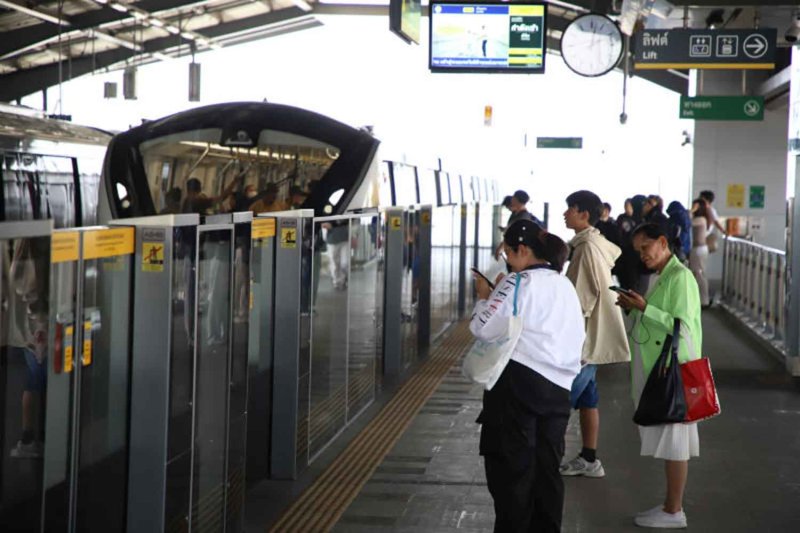
The Prime Minister reported that the government has already approved work-from-home arrangements for government agencies, along with other energy-saving measures. He stressed the need for strict implementation of these measures, urging businesses and the public to adopt a similar approach by reducing the use of private vehicles and increasing the use of public transportation and carpooling.
He also indicated that the government may introduce additional measures as needed, reaffirming its commitment to mitigating the impact on citizens. He expressed confidence that cooperation among all sectors could help Thailand navigate this crisis as it has in the past.
Background & Context
Historically, Thailand has faced multiple energy crises but has always managed to adapt to changing circumstances. The Thai economy heavily relies on tourism and industry, making energy security vital for continued growth. In recent years, the government has faced increasing pressure to provide sustainable energy sources, especially with climate change and geopolitical tensions.
Thailand is one of the largest oil importers in Southeast Asia, making it vulnerable to fluctuations in global prices. Therefore, any escalation in regional conflicts, such as the one in the Middle East, directly affects the stability of the local market.
Impact & Consequences
The government anticipates that the current energy crisis will lead to an increase in the cost of living, particularly affecting the poor and middle classes. The inability to secure sustainable oil supplies could slow economic growth, placing additional pressure on the government.
Moreover, the work-from-home measures may lead to permanent changes in the way work is conducted in Thailand, potentially improving quality of life and reducing traffic congestion. However, this transition requires significant support from both the government and the private sector to ensure its success.
Regional Significance
The current energy crisis in Thailand mirrors the challenges faced by many Arab countries that also rely on oil as a primary energy source. Amid geopolitical tensions, these countries may encounter similar challenges in securing energy supplies. Thus, regional cooperation in the energy sector becomes essential to ensure economic stability.
In conclusion, the current situation in Thailand demands a swift and effective response from all stakeholders. Working from home and energy conservation should not be merely temporary measures but must become part of a comprehensive strategy to ensure energy sustainability in the future.