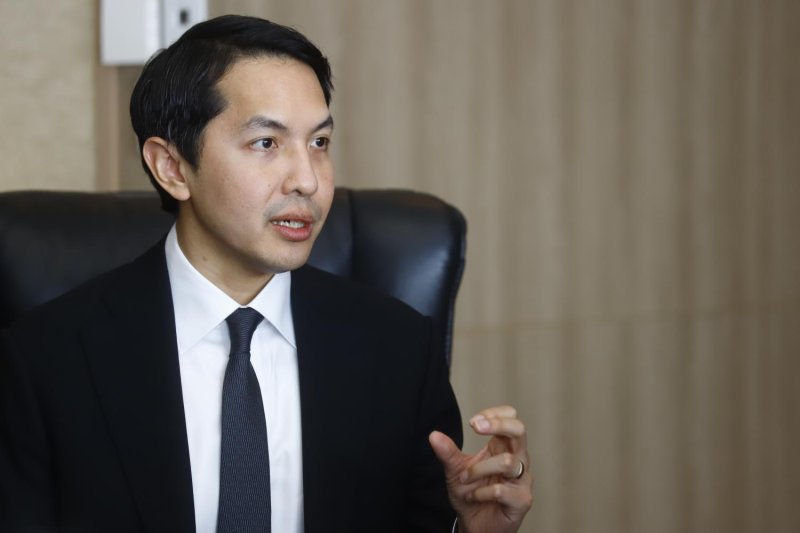
Santi Tran Saterathai, Thailand's Deputy Finance Minister, emphasized the importance of leveraging foreign direct investment to enhance technology transfer and support sustainable economic growth in the country. This statement was made during a seminar organized by Prachachat Turakij, where he noted that investment applications seeking promotional benefits reached approximately 2 trillion baht last year, while applications in the first quarter of this year recorded 1 trillion baht.
Saterathai explained that Thailand needs to transform its economy and develop new economic engines, pointing out that relying solely on a green economy may not be sufficient. He stressed the necessity for the country to benefit more from foreign investments and to ensure actual technology transfer occurs.
Event Details
The Deputy Minister indicated that foreign investments should enhance local supply chains, as seen in the Thai automotive industry, which led to the establishment of first, second, and third-tier industries, helping local small businesses grow. However, structural issues have limited growth potential in Thailand, where the country faces an aging population and a declining workforce, reducing GDP growth by approximately 1% annually.
He also noted that investment in machinery modernization remains low, and many workers lack the necessary skills for new industries. He emphasized the importance of improving existing industries and developing new sectors such as artificial intelligence, the green economy, and longevity.
Background & Context
Thailand is one of the most energy-import-dependent economies in Asia, ranking second after Malaysia in terms of the amount of energy consumed to produce GDP. This has led to energy security becoming synonymous with economic security, as Thailand is affected every time an energy crisis occurs, such as the war in Iran.
Saterathai pointed out that we are entering a new global system, where the focus is shifting from an