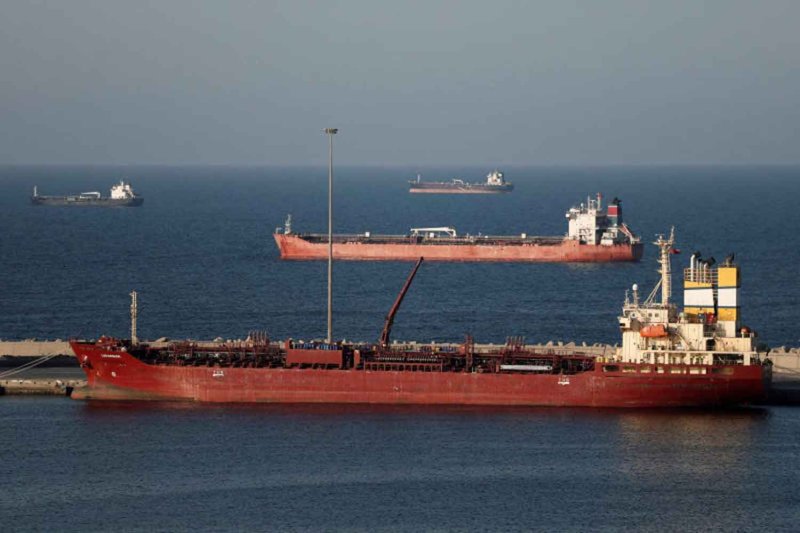
Thailand is facing a severe crisis in fertilizer supplies after five shipments were disrupted in the Strait of Hormuz, raising significant concerns about the availability of these essential materials. The Thai government, led by Prime Minister Anutin Charnvirakul, has ordered an urgent review of oil price structures and the implementation of national relief measures starting Wednesday.
Trade Minister Subhajee Sutthamanapan confirmed that the shipments, which carry fertilizers and related raw materials, are stuck in the strait due to the ongoing war in the Middle East. These disruptions have forced authorities to consider modifying fertilizer compositions to reduce reliance on imported materials.
Details of the Incident
During a forum titled "One Month into a Global Crisis: Thailand's Response in a Changing World," Subhajee explained that the disruptions have affected key supply chains, particularly those related to fertilizers and petrochemicals that rely on shipping routes through the Strait of Hormuz. It was expected that fertilizer reserves would last until August, but the sudden halt has raised new concerns as shipments are stuck en route and new shipments await loading.
In response to this crisis, the Ministry of Commerce is closely working with the Ministry of Foreign Affairs to monitor the situation and manage essential raw materials for local production. The ministry is also collaborating with farmers and agricultural associations across the country to adjust fertilizer compositions and reduce dependence on imported raw materials, while promoting the use of organic fertilizers as alternative solutions ahead of the planting season.
Background & Context
The Strait of Hormuz is considered one of the most important waterways in the world, through which approximately 20% of the world's oil passes. The region has witnessed increasing tensions in recent years due to political and military conflicts, directly impacting global trade flows. In this context, fertilizers are vital materials relied upon by agriculture, and any disruption in their supply can lead to serious repercussions for food security.
Historically, Thailand has heavily depended on importing fertilizers from Middle Eastern countries, making it vulnerable to any disruptions in this region. The Thai government has attempted in recent years to bolster domestic fertilizer production, but significant challenges remain in this area.
Impact & Consequences
The Thai government anticipates that this crisis will lead to an increase in fertilizer prices, which will, in turn, affect agricultural production costs. The Ministry of Commerce has issued strict guidelines to monitor the prices of essential goods, expanding the list of controlled items from 59 to 66 products. Additionally, any increase in prices of certain products will require prior legal approval.
Furthermore, a campaign titled "Thailand Helps Thailand" will launch on Wednesday, offering over 1,000 consumer products at discounts ranging from 25% to 50% nationwide. The network of low-priced goods will also be expanded to include more than 500 communities, including remote areas.
Regional Significance
Arab countries are directly affected by events in the Strait of Hormuz, as this region is a vital transit point for oil and gas. Any disruptions in shipping movements may impact energy prices in the region, potentially leading to increased living costs. Additionally, reliance on imported fertilizers may place Arab countries in a similar position to Thailand, necessitating a reconsideration of enhancing local production.
In conclusion, this crisis highlights the importance of preparedness to face global economic challenges and the need to bolster local production of essential materials, including fertilizers, to ensure future food and economic security.