The Thai government announced that it has reached an agreement with Iran to ensure the safe passage of Thai oil tankers through the Strait of Hormuz, amid escalating tensions in the Middle East. This announcement was made by Thai Prime Minister Prayuth Chan-o-cha during a press conference held on Saturday.
This agreement comes at a time when many countries in Southeast Asia are facing difficulties in fuel supplies, as long queues have been reported at gas stations in Thailand due to shortages. Chan-o-cha confirmed that this agreement will enhance confidence in preventing a recurrence of the disruptions that occurred in the region earlier in March.
Details of the Agreement
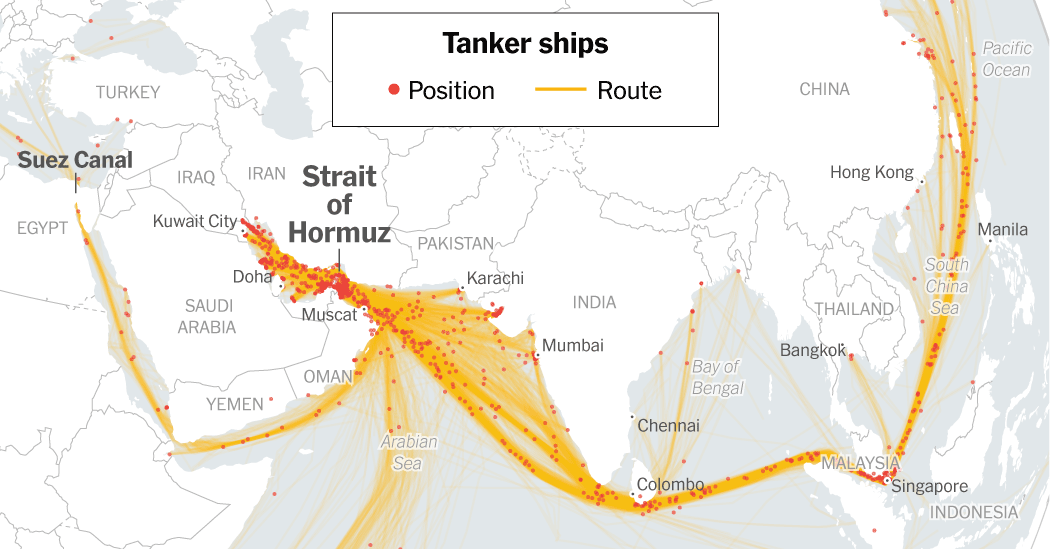
The Strait of Hormuz is a vital transit point for over 80% of the crude oil and liquefied natural gas exported to Asia, according to the U.S. Energy Information Administration. Shipping traffic through the strait saw a significant decline of 95% between March 1 and March 26, following the outbreak of conflict in the region.
Earlier this month, a Thai cargo ship was attacked, resulting in the loss of three crew members. Reports also indicated that the Iranian Revolutionary Guard had detained three vessels attempting to cross the strait, raising concerns about the safety of navigation in this strategic area.
Background & Context
Historically, the Strait of Hormuz is one of the busiest waterways in the world, through which nearly 20% of the world's total oil passes. The strait has witnessed numerous security incidents in recent years, affecting shipping traffic and leading to rising oil prices in global markets.
Tensions in the region have been continuously increasing, especially with the escalation of military conflicts between Iran and other countries. This situation negatively impacts economies that rely on oil imports, such as Thailand, which is striving to secure its energy supplies.
Impact & Consequences
This agreement is considered a positive step towards stabilizing energy supplies in the region, as it helps mitigate the risks associated with shipping through the Strait of Hormuz. Furthermore, this agreement may open the door for further cooperation among countries in the energy sector, potentially enhancing energy security in the region.
However, the situation in the region remains fragile, as any new developments could lead to fluctuations in the global energy market. Therefore, the Thai government will continue to monitor the situation closely and adjust its policies to ensure that any potential disruptions have minimal impact on its citizens.
Regional Significance
This agreement holds significant importance for Arab countries, especially those that rely on exporting oil through the Strait of Hormuz. The stability of shipping traffic in this strait contributes to maintaining global oil prices, which benefits Arab economies.
Moreover, cooperation between Iran and other countries like Thailand could help alleviate tensions in the region, potentially paving the way for new avenues of dialogue and regional collaboration.