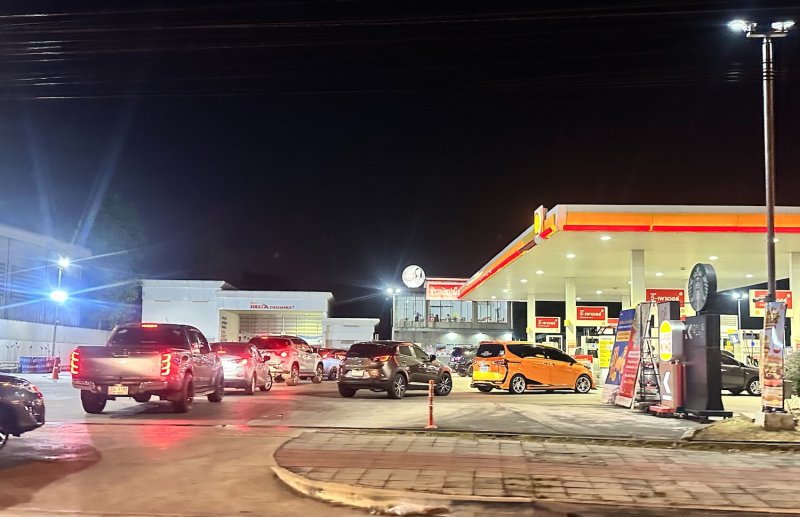
The Thai government has announced a new increase in diesel prices, with prices rising by 3.50 baht to reach 44.24 baht per liter, effective Thursday morning. This increase represents a 48% rise compared to last month, raising concerns among citizens about the impact of this increase on their daily lives.
This decision comes after the Fuel Oil Fund Committee decided to reduce the subsidy provided for diesel from 22.89 baht to 17.78 baht per liter, leading to a noticeable increase in prices. The price of B20 biodiesel was also raised by the same percentage, reaching 39.24 baht per liter after the subsidy was reduced to 20.12 baht.
Details of the Price Increase
This price increase comes at a sensitive time, as global energy prices have experienced significant fluctuations due to geopolitical events, including the ongoing conflict in the Middle East. On February 28, Israel and the United States began bombing Iran, escalating tensions in the region and directly affecting global energy supplies.
Despite reports circulating on social media about a potential increase in fuel prices across all types by 3.00 baht or more, the Thai Ministry of Energy confirmed on Wednesday evening that these reports were inaccurate, reflecting a state of uncertainty in the market.
Background & Context
Historically, Thailand has experienced fluctuations in fuel prices due to changes in global markets, as well as government policies related to subsidies. The Fuel Oil Fund, which plays a crucial role in supporting fuel prices, is currently facing a deficit of 42 billion baht due to the subsidies provided, forcing it to seek bank loans to bolster its financial position.
It is noteworthy that the Thai government is seeking guarantees from the Ministry of Finance to borrow up to 150 billion baht, reflecting the financial pressures it faces amid rising prices.
Impact & Consequences
The increase in diesel prices directly affects transportation and production costs, which may lead to higher prices for goods and services in the market. Additionally, this increase could impact citizens' ability to afford living costs, especially under the challenging economic conditions many are facing.
Some reports warn that the continued rise in fuel prices could lead to a wave of public protests, as citizens feel they are bearing the burden of these increases without sufficient government support.
Regional Significance
Fuel prices in Thailand serve as an indicator of global trends in the energy market, which directly affect Arab countries that rely on oil exports. As disruptions in the Middle East continue, Arab nations may also witness similar increases in fuel prices, adding to the economic pressures on their citizens.
In light of these circumstances, Arab countries should consider strategies to mitigate the impact of rising energy prices on their citizens, including enhancing reliance on renewable energy sources.