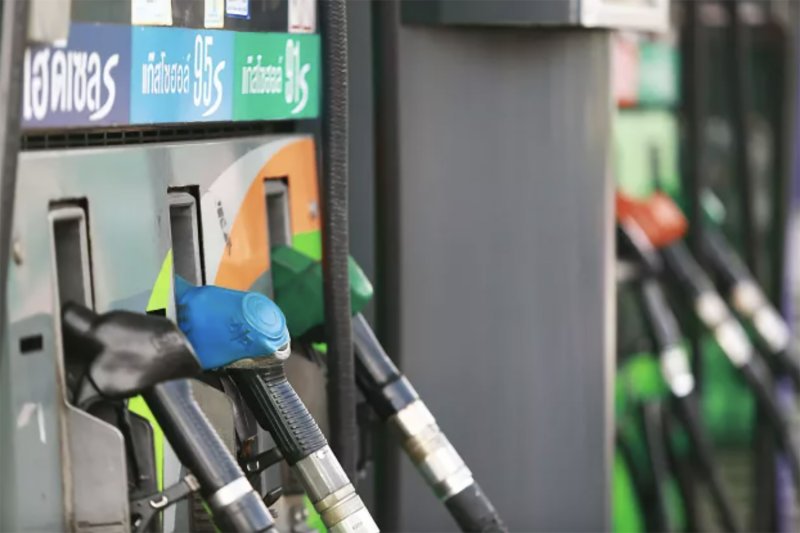
The Energy Policy Management Committee (Epac) in Thailand has decided to reduce fuel prices by 2 baht per liter, which is expected to contribute to a decrease in local diesel prices by 2.14 baht per liter by Friday. This decision follows discussions among energy sector officials and six oil refinery operators, aimed at mitigating the rising fuel prices exacerbated by the ongoing conflict between Israel and Iran.
Energy Minister Akanat Promphan, who chaired the committee meeting on Tuesday, confirmed that this decision will include a reduction in biodiesel prices B7 and B20 by 2 baht per liter, taking into account market prices in Singapore. Consumers are expected to benefit from this reduction by the end of the current week.
Details of the Decision
This measure will be documented in the official gazette as soon as possible, with the minister noting that pump prices will decrease by approximately 2.14 baht per liter, including taxes, with changes expected to take effect on Friday. This decision relies on emergency powers under a decree from 1973 aimed at preventing fuel shortages, allowing the committee to set post-refining prices.
When asked about the timeline for the reduction in pump prices, the minister explained that the decree requires a formal process to draft and publish the announcement in the official gazette, although authorities will strive to expedite this process. If the announcement is executed on Wednesday, the Fuel Oil Fund Management Committee will convene to determine how to pass the 2 baht reduction to consumers.
Background & Context
Historically, fuel prices in Thailand have experienced significant fluctuations, particularly during geopolitical crises affecting energy supplies. Prior to the Middle East conflict, refining margins hovered around 2 baht per liter, but surged to 7 baht per liter in March, peaking at 17.5 baht per liter during the period from April 1 to 7.
Currently, refined oil prices, based on the Singapore benchmark, are close to $300 per liter, which is considered significantly high compared to crude oil prices ranging from $107 to $112. The usual price differential indicates that the current situation is unsustainable, necessitating urgent action from the government.
Impact & Consequences
This reduction is expected to significantly decrease expenditures from the government’s fuel oil fund, which currently supports B7 prices by 18 baht per liter and B20 by 19 baht per liter. The minister also indicated that the government is considering issuing announcements regarding post-refining price changes every week or two.
In related developments, Prime Minister Anutin Charnvirakul stated that the government is preparing additional measures to ensure fuel availability, including potential restrictions on fuel station operating hours. Sales may be suspended between 10 PM and 5 AM starting April 20, to be implemented after the Songkran holiday to avoid disrupting travel.
Regional Significance
Thailand imports about half of its energy needs from the Middle East, making it vulnerable to supply shocks. Attacks on production facilities, refineries, and transportation infrastructure impact global oil and gas prices, as well as related products like fertilizers and plastics, with these effects expected to persist even after hostilities cease.
In light of this, the government has outlined three main strategies: reallocating budget resources to support the public, restructuring energy prices to reduce costs, and launching relief measures such as cost-sharing programs and low-interest loans for farmers and businesses.