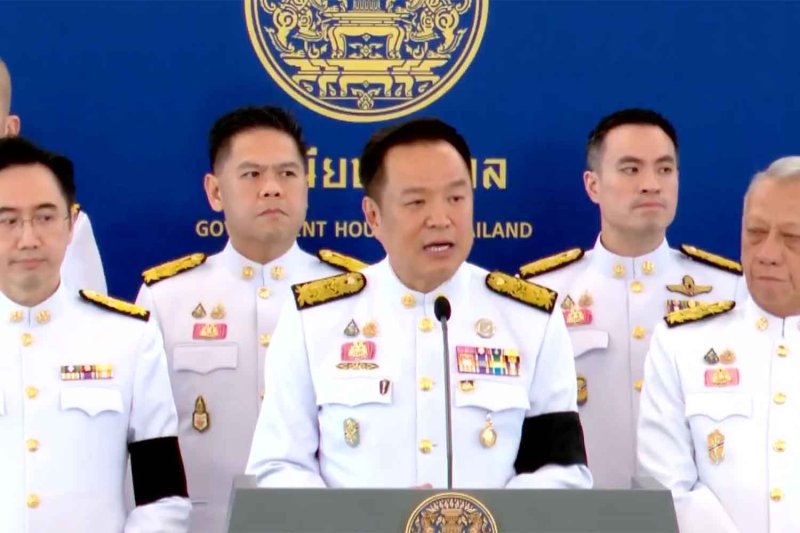
In a bid to alleviate the burden on citizens, Thai Prime Minister Anutin Charnvirakul announced plans to restructure fuel and electricity prices. However, he warned that prices may remain high and the country could face supply shortages.
These statements from Anutin followed the first meeting of his new government, where he confirmed that the government would take additional measures to assist the public, including discounts on consumer goods and affordable loans for farmers and small to medium-sized enterprises.
Details of the Announcement
Anutin clarified that the government would strive to reduce fuel and electricity costs, noting that prices might stay elevated due to global conditions. He emphasized that the government would cut public spending to support citizens during this crisis.
He also pointed out that the ongoing war in the Middle East significantly affects oil and chemical production, complicating the acquisition of supplies from alternative sources. He assured that the government would work to communicate these realities to the public to prepare them for adapting to the situation.
Background & Context
Thailand is one of the countries heavily reliant on oil imports, with about half of its oil needs sourced from the Middle East. The war in the region has led to rising energy and essential goods prices, impacting the global economy as a whole.
Historically, Thailand has faced similar crises due to fluctuations in global oil prices, prompting the government to adopt urgent measures to mitigate the effects of these crises on citizens.
Impact & Consequences
Forecasts indicate that rising fuel prices could affect various economic sectors in Thailand, including agriculture and industry. This is expected to lead to increased production costs, which may negatively impact the prices of essential goods.
Moreover, the continuation of this crisis could result in a slowdown in economic growth, placing additional pressure on the government to address the repercussions of these conditions. This situation reflects the urgent need for cooperation between the government and citizens to tackle economic challenges.
Regional Significance
Arab countries are directly affected by crises in the Middle East, as the region is a major oil source. Therefore, rising prices in Thailand may have indirect effects on Arab nations, particularly those dependent on oil exports.
These circumstances require Arab countries to consider new strategies to cope with global market fluctuations, including enhancing regional cooperation and developing alternative energy sources.
In conclusion, the Thai government's announcement regarding the restructuring of fuel and electricity prices represents a significant step in addressing global crises. However, the biggest challenge remains how to adapt to the changing conditions in the global market.