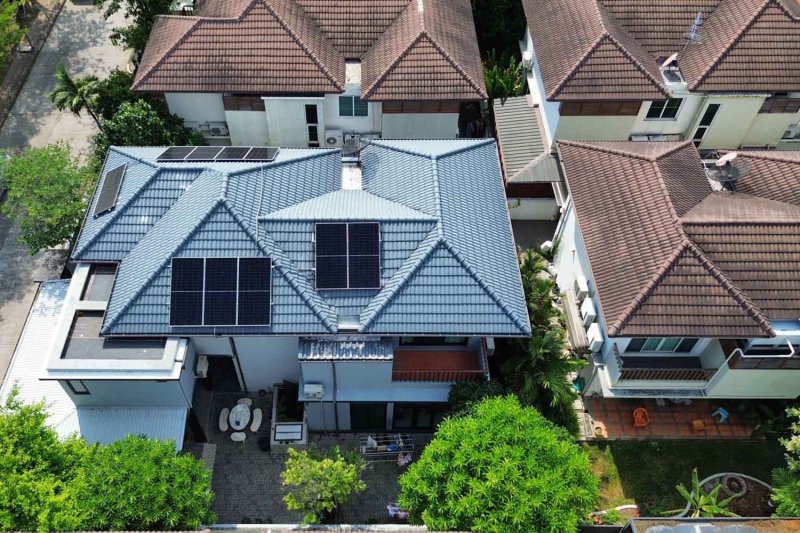
The Thai government aims to enhance rooftop solar energy use starting in early 2026, amid increasing economic pressures described as a 'crisis on top of a crisis.' This initiative is part of efforts to reduce reliance on imported energy and protect households from price fluctuations.
Global energy costs have risen due to conflicts in the Middle East, affecting fuel prices used for electricity generation. This situation has led to increased fuel tariffs, with further increases expected between May and August.
Event Details
Thai Energy Minister, Akhanat Promphan, is linked to efforts aimed at long-term energy system reform, indicating that the government is not solely focusing on short-term solutions. He emphasized that 'this crisis should be seen as an opportunity,' warning against missing the critical moment to improve the country's energy structure.
Rooftop solar energy is considered a central option, viewed as both an economic and energy security measure. Energy policy researcher Ariborn Asawinbongvan noted that rooftop solar is cost-effective, supports clean energy, and helps households rely more on local resources.
Background & Context
Thailand possesses strong solar potential, allowing households to generate a significant portion of their electricity needs due to abundant sunlight. However, the main barrier remains the initial installation cost, which requires an investment in the hundreds of thousands of baht, making it inaccessible for many families without financial support.
Although the government offers measures such as tax discounts and excess electricity purchase programs, these policies still fall short of fully supporting households. Experts indicate that most families are not home during the day, making it difficult to benefit from the generated energy.
Impact & Consequences
Analyses suggest that rooftop solar can contribute to lowering monthly bills, but issues related to initial costs and current policies must be addressed. Additionally, having a net metering system could allow families to reuse excess energy they produce, enhancing the viability of investing in solar energy.
The government seeks to expedite installation processes, aiming for approvals within 30 days. It also plans to allow households to sell excess electricity at a rate of approximately 2.20 baht per unit.
Regional Significance
Thailand's experience in promoting rooftop solar energy serves as a model that many Arab countries suffering from high energy costs could benefit from. With increasing economic pressures, renewable energy may provide an effective solution to reduce dependence on fossil fuels.
In light of global economic crises, the importance of Arab countries investing in renewable energy becomes evident, enhancing their energy security and reducing costs for citizens.