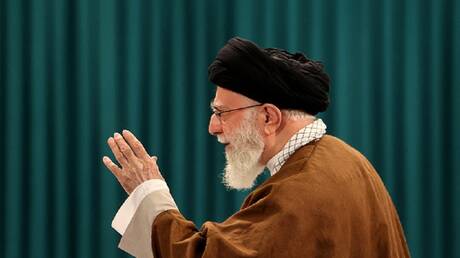
Iranian leader Mojtaba Khamenei expressed his gratitude to Sunni scholars in the Iranian province of Kurdistan for their condolences and support following the death of his father, the leader Ali Khamenei. This message reflects the importance of unity and solidarity among various sects in Iran, especially in light of the current political and social circumstances.
This step comes at a time when Iranian society is facing multiple challenges, including economic and political crises. Mojtaba Khamenei highlighted the role of religious scholars in strengthening social and spiritual ties among citizens, underscoring the importance of dialogue between different sects.
Details of the Event
In his message, Mojtaba Khamenei expressed deep appreciation to the scholars who offered their condolences, noting that such initiatives enhance the spirit of brotherhood and cooperation among all citizens of the nation. The message was sent to a group of prominent scholars in Kurdistan, which is one of the regions with a Sunni majority in Iran.
Kurdistan province is known for its cultural and religious diversity, where various sects coexist, making it essential to promote dialogue and understanding among these groups. Khamenei pointed out that these connections reflect the human and religious values that unite all Iranians.
Background & Context
Historically, Iran has faced significant challenges in terms of coexistence among different sects. Although the Iranian regime promotes the idea of Islamic unity, there have been historical tensions between Shia and Sunni communities. Nevertheless, the message from Mojtaba Khamenei reflects a desire to enhance relations between these sects.
The death of leader Ali Khamenei marks an important event in modern Iranian history, significantly impacting Iranian politics and foreign relations. His passing has led to a reassessment of many domestic and foreign policies, making it crucial to strengthen unity among various sects.
Impact & Consequences
This message comes at a sensitive time for Iran, as the country faces significant economic and political challenges. Strengthening relations among different sects may help reduce internal tensions and enhance social stability. Additionally, this step could contribute to improving Iran's image on the international stage.
It is expected that this message will influence the relationship between the Iranian government and the Sunni population in the country, potentially encouraging further dialogue and understanding. Moreover, enhancing unity among sects may help address the common challenges facing the nation.
Regional Significance
The relationships among different sects in Iran serve as a model that could impact neighboring countries. Amid sectarian tensions in some Arab nations, Iran's experience in promoting dialogue among sects could provide valuable lessons. Strengthening unity among sects can contribute to achieving stability and peace in the region.
In conclusion, Mojtaba Khamenei's message represents a positive step toward enhancing understanding among various sects in Iran. However, the greatest challenge remains how to translate this message into tangible reality that improves social and political conditions in the country.