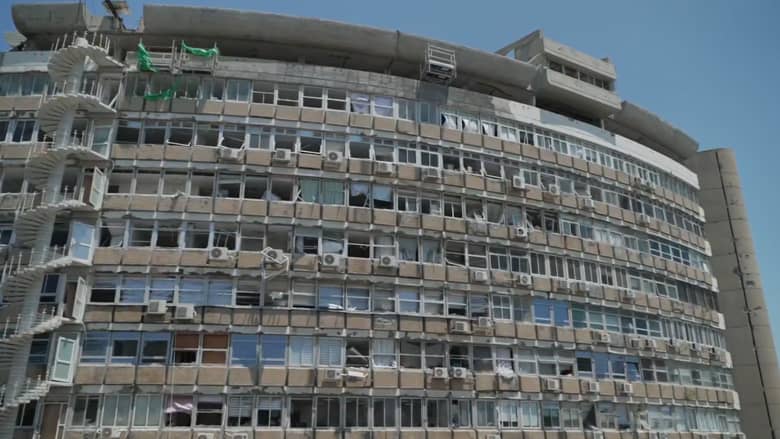
The region has witnessed dramatic developments following the outbreak of war in Iran, prompting Gulf states to reevaluate their investment strategies. The changing situation in Iran exerts pressure on these countries to rethink their priorities, especially concerning reconstruction and enhancing defense capabilities.
It is well-known that Gulf countries, such as Saudi Arabia and the UAE, have focused in recent years on diversifying their economies and investing in large-scale projects aimed at achieving sustainability and growth. However, the current crisis may force them to direct more investments toward strengthening local defenses, given the deteriorating security situation in the neighborhood.
Furthermore, these developments are expected to negatively impact the lucrative investments promised by former U.S. President Donald Trump, which Gulf states hoped would lead to sustainable economic growth and a continuous influx of foreign investments. Will these promises remain viable in light of the current events?
In a related context, it’s also essential to consider the implications of the current tensions on the global economy. Direct impacts may include rising oil prices, as any escalation in conflict in the Gulf region could lead to increased anxiety among investors and traders, paving the way for a rise in global energy costs.
Armed conflicts always bring instability and affect trade and investment flows. Can Gulf countries recover from this new challenge? Or will the recurring conflicts dissolve their hopes for sustainable economic growth?
In recent years, all eyes have been on Gulf investments in sectors such as tourism, renewable energy, and technology. However, the war in Iran may serve as a turning point diverting attention away from these initiatives, forcing countries to direct financial resources towards securing their defenses and reconstruction efforts.
Regionally, the scene of reshuffling investment priorities is echoed in many other countries. Iraq and Syria face similar challenges in recovery and reconstruction after years of conflict. The tensions in Iran may evoke similar scenes in the Middle East, where security is gaining priority over economic development.
The next steps taken by Gulf states will determine their trajectory in the coming years. Any breakthrough in the conflict is likely to alleviate some pressures, but until then, countries will remain influenced by the shadows of war and its impacts on the global and regional economy.
As long as the conflict continues unresolved, doubts increase regarding the possibility of achieving stability in markets and restoring confidence in new investments. Hence, this stage is particularly significant not only for Gulf countries but also for traders and investors globally, who need to monitor the situation closely.