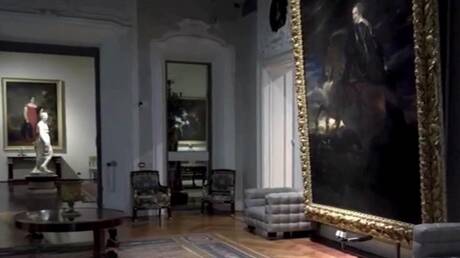
The Maniani-Rocca Museum in Parma, Italy was the target of a major theft, where valuable artworks belonging to Pierre-Auguste Renoir, Paul Cézanne, and Henri Matisse were seized. This incident has raised significant concern within the art community, as these works are considered some of the most important masterpieces in the history of modern art.
According to reports from the Italian newspaper Finestre Solari, the theft occurred late at night when the thieves managed to enter the museum and take the paintings without being detected. It is believed that the value of the stolen works reaches millions of euros, making this theft one of the largest art heists in recent years.
Details of the Incident
Initial investigations show that the thieves used advanced methods of concealment, indicating careful and precise planning. The Italian police have been called in to investigate the incident, collecting evidence and testimonies from witnesses who were near the museum at the time of the theft.
The stolen paintings are part of a private art collection owned by the Maniani-Rocca Foundation, known for its collection of rare artworks from the 19th and 20th centuries. Many experts have expressed concern about the impact of this theft on the art market, as it may lead to an increase in illicit sales of artworks.
Background & Context
The history of art theft dates back centuries, with the world witnessing many similar incidents targeting museums and art collections in various countries. In recent years, the frequency of art thefts has increased, prompting governments and cultural institutions to enhance security measures in museums.
Italy is considered one of the richest countries in terms of artistic heritage, housing many museums that contain works by great artists. However, this wealth also makes it an enticing target for thieves. In 2019, a collection of paintings was reported stolen from another museum in Italy, highlighting the urgent need to strengthen security in these institutions.
Impact & Consequences
This incident serves as a wake-up call for museums around the world, emphasizing the importance of enhancing security and protection for artworks. It is expected that this theft will lead to a comprehensive review of security procedures in Italian museums, as well as increased international cooperation to combat art theft.
Moreover, this incident may affect the art market, potentially leading to increased prices for similar artworks, as well as a heightened demand for reliable and verified art pieces. Experts warn that these thefts could erode trust in the art market, negatively impacting both artists and collectors.
Regional Significance
While this event may seem to concern Italy alone, it has broader implications for the Arab region. Many Arab countries possess rich artistic heritage and have also experienced similar theft incidents in the past. These incidents highlight the need for enhanced cooperation between Arab countries and others to protect cultural and artistic heritage.
Furthermore, the incident may spark interest among Arab collectors in artworks, potentially leading to increased investments in this sector. Arab countries must learn from these incidents to strengthen the protection of their artistic heritage.
This theft of artworks in Italy serves as a reminder of the importance of protecting cultural and artistic heritage, shedding light on the challenges faced by museums worldwide in confronting increasing threats.