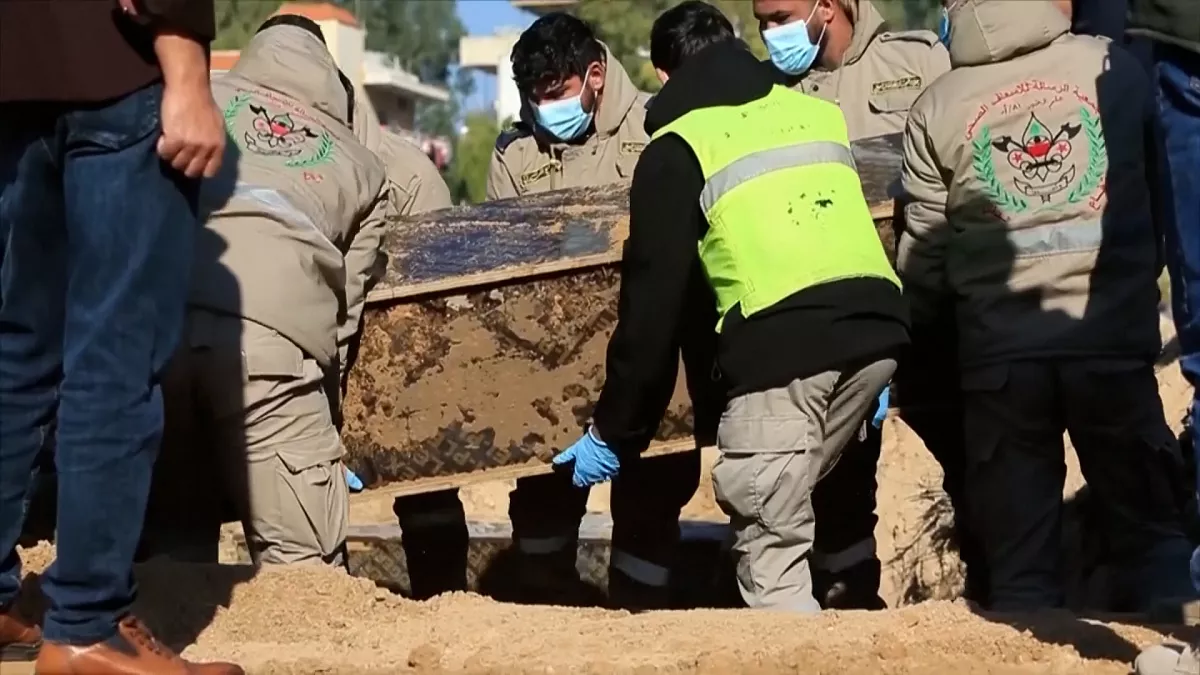
Under the pressure of Israeli bombardment and military orders, thousands of Lebanese are forced to bury their loved ones far from their hometowns. This phenomenon reflects the increasing suffering amid deteriorating security conditions. As the intensity of conflict escalates in southern Lebanon, many find themselves compelled to leave their homes, leading to painful decisions regarding the burial of their deceased.
Reports indicate that many Lebanese families living in bombarded areas have lost the ability to return home. This painful reality forces them to bury their loved ones in temporary graves, far from the lands that witnessed their lives. As conditions worsen, the suffering of these individuals increases, and they face a loss of hope in returning home.
Details of the Situation
Amid the tense conditions, pressures on local residents in southern Lebanon are mounting. Many have been forced to leave their homes due to continuous bombardment, resulting in their inability to hold traditional burial ceremonies. Instead, they are compelled to bury their dead in unfamiliar places, exacerbating their feelings of loss and longing for home.
Images and scenes from the affected areas reveal the pain experienced by these individuals. Many face difficulties in finding suitable burial sites, forcing them to resort to temporary and inadequate options. These circumstances clearly reflect the impact of conflict on the daily lives of individuals and families.
Background & Context
Historically, Lebanon has witnessed numerous armed conflicts that have led to the displacement of populations and loss of lives. The current conflict is a continuation of those ongoing crises, with suffering renewed with each escalation. The country has endured the effects of civil wars and regional conflicts, resulting in a state of continuous instability.
These conditions serve as a harsh reminder that war affects not only the present but leaves deep scars on future generations. Individuals forced to bury their dead far from home carry painful memories, impacting their mental and social well-being.
Impact & Consequences
The repercussions of this phenomenon extend beyond personal dimensions, affecting the Lebanese community as a whole. The loss of hope in returning home creates a general sense of frustration and despair. Additionally, these conditions impact social ties, as individuals find themselves isolated from their traditional communities.
Moreover, this phenomenon may exacerbate humanitarian crises in the region. As the number of displaced individuals increases, the need for humanitarian aid and psychological support grows, placing additional pressures on humanitarian organizations and local governments.
Regional Significance
The situation in Lebanon is part of a larger picture reflecting tensions in the Arab region. Armed conflicts in Lebanon affect regional stability, contributing to the spread of humanitarian crises in neighboring countries. The Lebanese situation highlights the urgent need for peaceful solutions to conflicts in the region.
Ultimately, the suffering of Lebanese individuals who bury their dead far from home stands as a stark example of the devastating effects of war. These conditions call for the international community to take effective steps to end conflicts and achieve lasting peace in the region.