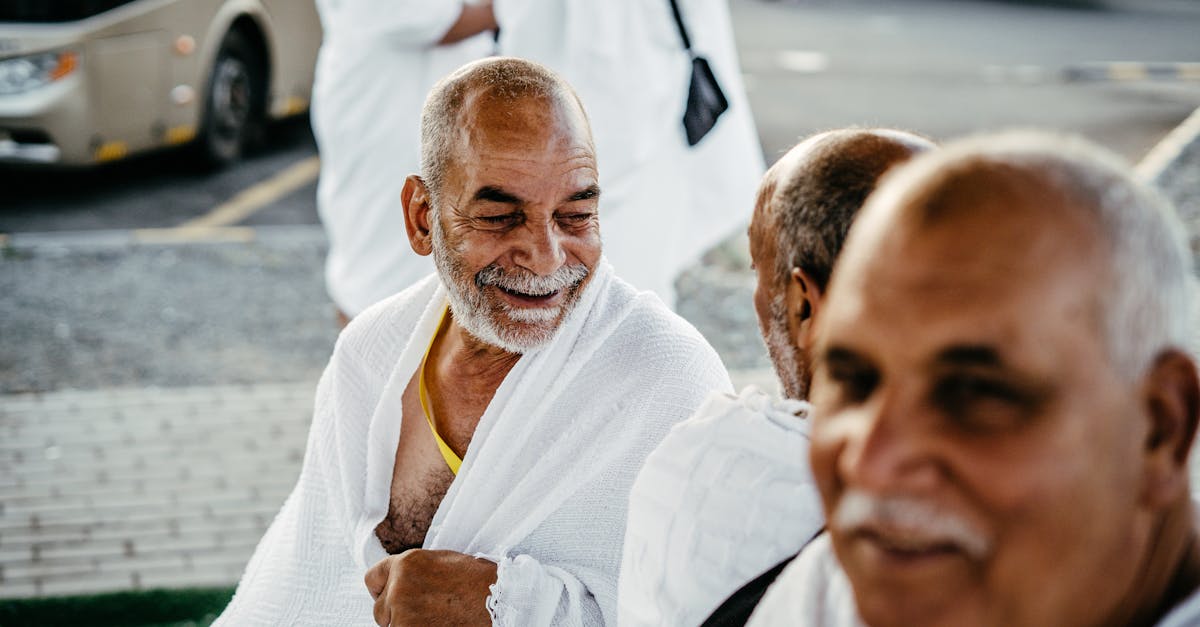
Thousands of pilgrims from various countries have flocked to Mina after completing the stoning ritual, heading to their camps after performing these important rites during the Hajj season. This event is part of the Hajj season, which draws millions of Muslims from around the globe, and the stoning of the devil is one of the most prominent rituals that emphasizes obedience and submission to God.
On Wednesday, pilgrims gathered in Mina after the stoning ceremony, where they cast stones at the three pillars, a practice that dates back to the time of the Prophet Ibrahim (Abraham). Images and videos showed pilgrims waving their national flags, reflecting the cultural and religious diversity of this global gathering.
Details of the Event
The stoning ritual is a pivotal moment in the Hajj, taking place during the days of Tashreeq, which are the days following Eid al-Adha. Saudi authorities meticulously organized these rituals, ensuring all necessary measures were in place to guarantee the safety and comfort of the pilgrims. This year marks the second consecutive year that a large number of pilgrims have been allowed to participate following the easing of restrictions related to the COVID-19 pandemic.
It is noteworthy that Saudi authorities have implemented strict precautionary measures to ensure the safety of pilgrims, including the provision of health centers and medical facilities throughout the holy sites. Public transportation has also been made available to facilitate the movement of pilgrims between various locations.
Background & Context
Historically, Hajj is one of the five pillars of Islam, and every Muslim who is able must perform it at least once in their lifetime. Mecca has witnessed massive gatherings of pilgrims throughout history, making it a spiritual and cultural center for Muslims. As the number of pilgrims increases, the Kingdom of Saudi Arabia has worked on developing infrastructure to meet their needs, including the construction of new facilities and the expansion of the Grand Mosque.
In recent years, significant changes have occurred in Hajj, with modern technologies introduced to enhance the pilgrim experience. There has also been a focus on improving security and safety, contributing to a reduction in incidents and issues that pilgrims may face during the Hajj season.
Impact & Consequences
The Hajj season represents an opportunity to strengthen bonds among Muslims from different countries and cultures. It also contributes to enhancing religious tourism in the Kingdom, benefiting the local economy. As the number of pilgrims increases, the importance of improving services provided to them grows, reflecting the Kingdom's commitment to offering a unique and safe experience.
This ritual serves as an opportunity to reinforce spiritual and religious values, as Muslims gather from all over the world in one place to perform their rites. These gatherings also promote understanding and communication between different cultures, contributing to the enhancement of peace and tolerance.
Regional Significance
The Hajj is an important event not only for Saudi Arabia but for the entire Arab region. It helps strengthen relationships between Arab countries through the gathering of pilgrims from various nationalities. The Hajj season reflects the spirit of unity and solidarity among Muslims, enhancing the shared Islamic identity.
In conclusion, the Hajj season represents a unique opportunity to strengthen ties among Muslims and reflects the Kingdom of Saudi Arabia's commitment to providing the best services for pilgrims. As this ancient tradition continues, Hajj remains a symbol of peace and tolerance among peoples.