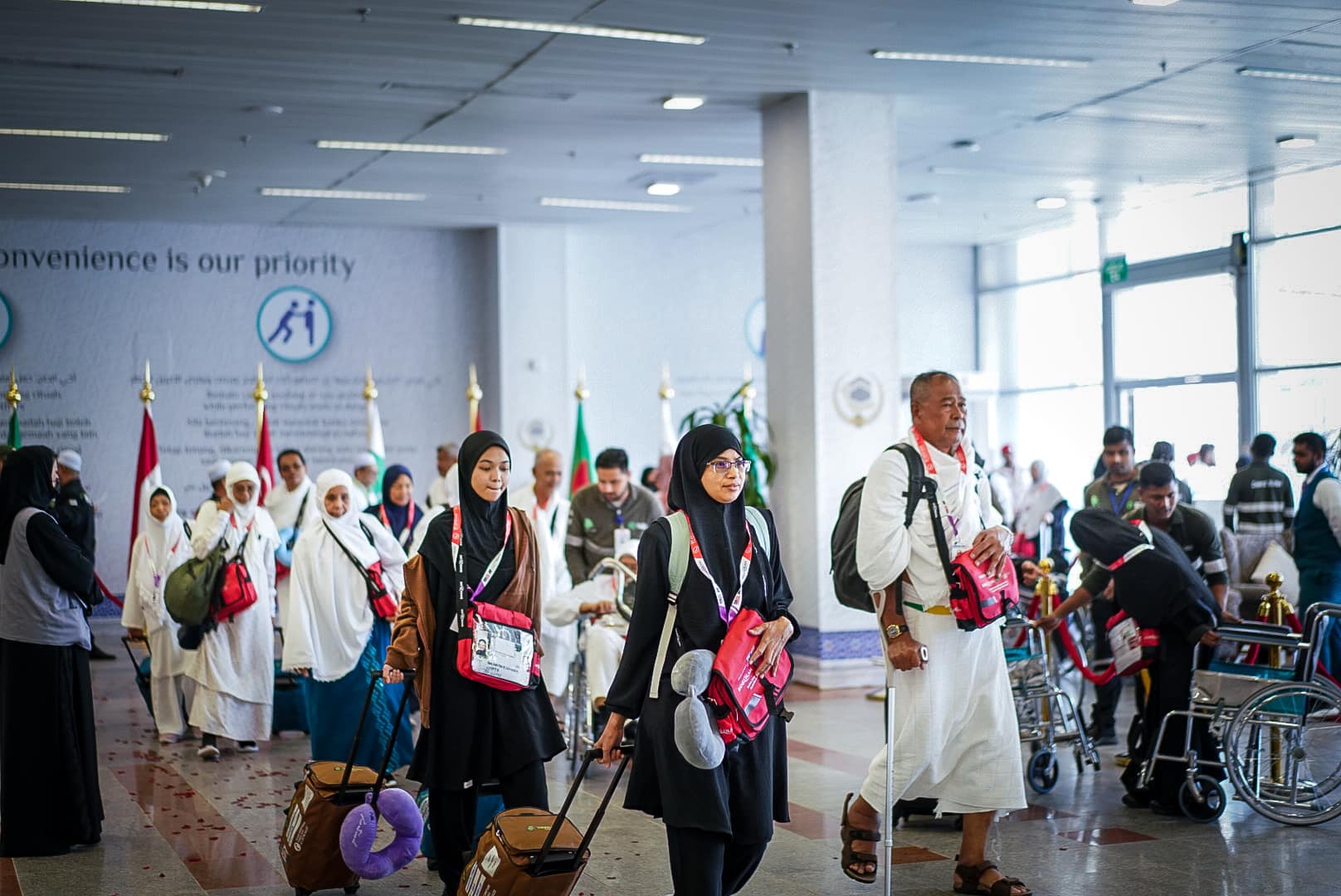
Thousands of prospective pilgrims gathered at the Islamic Da'wah Center Mosque (Pusdai) in Bandung, Indonesia, on Wednesday to receive special training in preparation for the upcoming Hajj season scheduled for late April 2026. These training sessions aim to equip pilgrims with the information and skills necessary for the correct and safe performance of Hajj rituals.
This initiative is part of the ongoing efforts by the Indonesian government to facilitate the pilgrimage journey for its citizens, as this occasion holds significant religious and cultural importance for Muslims. The event witnessed a large turnout from those wishing to perform the Hajj, reflecting their passion and readiness for this spiritual journey.
Event Details
The training sessions held at the mosque included a series of lectures and practical workshops covering how to perform the Hajj rituals, from the Tawaf around the Kaaba to the stoning of the Jamarat. Participants were also given advice on how to cope with the hot weather conditions in Mecca, along with health and safety information for the journey.
Many participants expressed their enthusiasm for this spiritual experience, with one prospective pilgrim stating, "It is a great opportunity to perform the Hajj, and we are grateful to the government for organizing this training that will help us better understand the rituals of Hajj."
Background & Context
Indonesia is the largest Muslim-majority country in the world, with an estimated Muslim population of around 230 million. With the increasing number of pilgrims each year, the Indonesian government is striving to enhance the Hajj experience by providing the necessary support and training. Historically, Indonesia has seen a significant rise in the number of pilgrims, with many Indonesians traveling to Mecca annually to perform the Hajj.
It is noteworthy that Hajj is one of the five pillars of Islam, and Muslims who are able to perform it are required to do so at least once in their lifetime. Therefore, early preparations and training are essential to ensure the success of this spiritual journey.
Impact & Consequences
These training sessions contribute to enhancing religious and cultural awareness among pilgrims, leading to an improved experience in performing the rituals. This initiative also reflects the Indonesian government's commitment to providing the necessary support to its citizens, fostering a sense of belonging and connection among Muslims.
Moreover, organizing such events can help reduce potential issues that pilgrims may face during their rituals, such as overcrowding or losing their way, thereby ensuring a smoother and safer experience.
Regional Significance
Indonesia is a significant part of the Islamic world and has a considerable impact on religious tourism in the region. The serious preparations by the Indonesian government reflect its commitment to strengthening ties with other Arab and Islamic countries, as many pilgrims come from various Arab nations to perform the Hajj.
In conclusion, these training sessions represent a positive step towards improving the Hajj experience for Muslims and reflect the spirit of cooperation and solidarity among Islamic countries. Early preparations and necessary training are vital to ensuring the success of this spiritual journey.