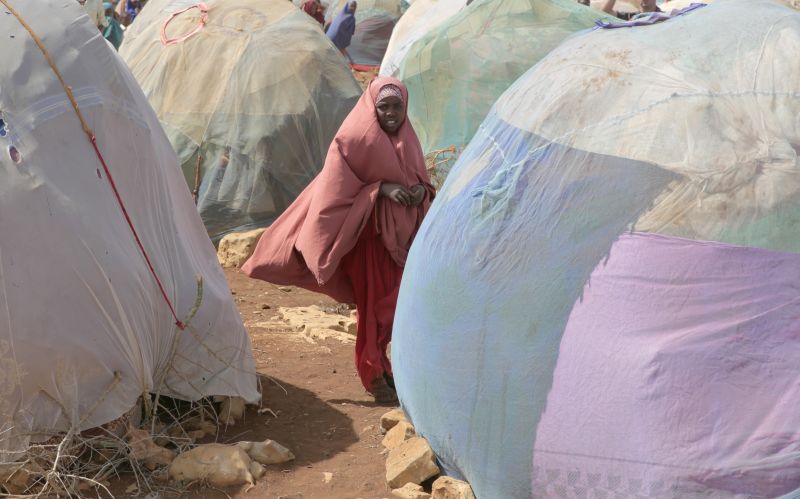
Reports indicate that escalating military tensions in the Gulf due to the war on Iran raise concerns about the resurgence of piracy off the coast of Somalia, where the country is suffering from a severe humanitarian crisis. These deteriorating conditions are leading to increased rates of poverty and malnutrition, threatening the lives of millions of residents.
Historically, the coasts of Somalia have been among the most affected by piracy, as pirates exploited the weakness of the central government and the security chaos. With the increasing military presence in the region, experts expect this phenomenon to re-emerge, potentially worsening the humanitarian situation in the country.
Details of the Situation
Concerns are growing about the return of piracy under the current circumstances, as major powers focus their military presence in the Gulf to counter Iranian threats. This military focus could lead to a deterioration of security conditions in Somalia, giving pirates a new opportunity to resume their activities.
The Iranian war also indirectly affects the Somali economy, leading to rising prices of food and essential goods. This situation exacerbates the famine crisis the country is experiencing, with reports indicating that over 7 million people are in urgent need of humanitarian assistance.
Background & Context
Somalia has been suffering for many years from political chaos and internal conflicts, rendering the government unable to control its coasts. In recent years, international efforts to combat piracy have intensified, but with rising tensions in the region, these efforts may be at risk.
The war on Iran could lead to a reshaping of military alliances in the region, impacting stability in Somalia. Additionally, the increasing humanitarian crises may drive more youth to engage in piracy activities as a means of survival.
Impact & Consequences
If conditions continue as they are, the return of piracy will significantly affect maritime navigation in the region, potentially leading to increased shipping and insurance costs. This will impact international trade, especially with countries that rely on Somali ports.
Furthermore, the worsening humanitarian situation in Somalia could lead to an increase in the number of refugees and migrants, placing additional pressures on neighboring countries and Europe. These dynamics could exacerbate humanitarian crises in the region.
Regional Significance
The return of piracy to the coasts of Somalia poses a threat to maritime security in the Arab region, as many countries rely on navigation through the Red Sea. Any escalation in piracy activities could affect trade flows between Arab countries and Europe and Asia.
Moreover, the deteriorating humanitarian conditions in Somalia could increase tensions between Arab countries and Somalia, as Arab nations may seek to provide aid, potentially creating new challenges in regional relations.
In conclusion, the return of piracy to the coasts of Somalia represents a significant challenge to regional and international security, and the international community must take urgent steps to address the humanitarian and political crises in the country.