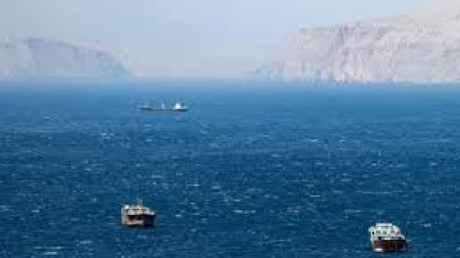
The Iraqi Hezbollah Brigades have renewed their warnings regarding the Strait of Hormuz, asserting that they will not permit its opening to what they describe as enemies. They indicated that any attempt by external forces to forcibly open the strait would lead to severe repercussions for the global energy sector.
The Strait of Hormuz is considered one of the most crucial waterways in the world, through which approximately 20% of the world's total oil passes. Any threat to this passage poses a significant challenge to the global economy, especially amid rising political tensions in the region.
Details of the Event
In an official statement, the Hezbollah Brigades confirmed that any oil platform would be endangered if any external force attempted to open the strait. These remarks come at a time when the region is witnessing increasing tensions, with growing concerns about the escalation of regional conflicts.
These threats are part of a larger strategy adopted by the Hezbollah Brigades, aimed at enhancing their influence in the region, particularly in light of the challenges posed by external powers. The brigades have expressed their readiness to take stringent measures to protect their interests and those of their allies.
Background & Context
The Strait of Hormuz is a vital transit point for oil and natural gas, witnessing significant traffic from commercial vessels. Historically, the strait has experienced numerous crises and conflicts, with some groups using it as a means to exert pressure on major countries.
In recent years, tensions between Iran and the United States have escalated, heightening concerns about the security of navigation in the strait. The region has witnessed several incidents involving commercial vessels, making it imperative to enhance maritime security.
Impact & Consequences
If the threats issued by the Hezbollah Brigades are carried out, this could lead to a significant rise in oil prices, impacting the global economy. Additionally, any closure of the Strait of Hormuz would cause disruptions in energy markets, negatively affecting consuming countries.
These threats also serve as a clear message to Western nations, which may find themselves compelled to reassess their strategies in the region. The escalation of tensions could also lead to military interventions, complicating the security situation further.
Regional Significance
Arab countries are directly affected by any escalation in tensions surrounding the Strait of Hormuz, as many rely on oil that passes through this passage. Any threat to navigation security will impact the economies of these nations, potentially leading to social and political repercussions.
In light of these circumstances, Arab countries must enhance their security and economic cooperation and work towards finding diplomatic solutions to avoid escalation. The stability of the region depends on these nations' ability to address shared challenges.