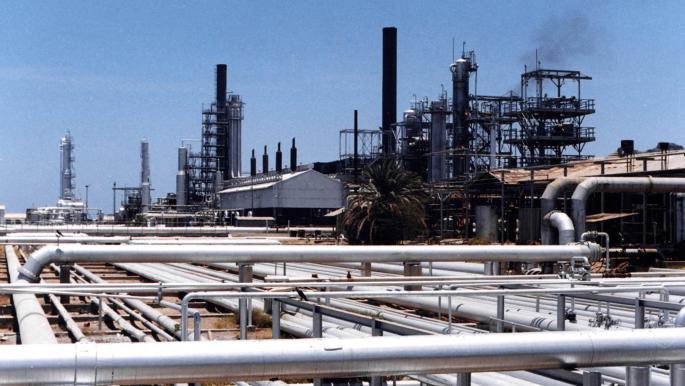
The Yemeni province of Hadhramaut has threatened to stop oil exports and withhold revenues unless it receives 20% of the proceeds or a preferential price. These threats come at a time when the Yemeni economy is suffering from consecutive crises, further complicating the economic situation in the country.
Hadhramaut is considered one of the most important oil-producing regions in Yemen, significantly contributing to the state's revenues. However, ongoing conflicts over revenue sharing between the central government and oil-producing regions have exacerbated economic crises.
Details of the Event
In an official statement, local authorities in Hadhramaut confirmed that they would not hesitate to take strict measures if their demands are not met. This includes halting oil exports, which are one of the main sources of revenue in the country. Officials indicated that this step aims to secure the province's rights to oil revenues.
These threats come amid increasing economic pressures on Yemen, where citizens are facing rising prices and shortages of essential goods. Economists have warned that any halt in oil exports would worsen the deteriorating economic conditions.
Background & Context
Historically, Hadhramaut has witnessed ongoing conflicts over the management of natural resources, particularly oil. Since the outbreak of the war in Yemen in 2015, these conflicts have intensified, as both the legitimate government and armed groups seek to control resources. These disputes have led to weakened economic infrastructure and increased poverty in the region.
The deteriorating security situation in Yemen further complicates the government's efforts to achieve stability. Reports have shown that many areas, including Hadhramaut, suffer from insecurity, negatively impacting investments and economic activities.
Impact & Consequences
If Hadhramaut follows through on its threats to halt oil exports, government revenues are likely to be significantly affected, increasing pressure on the Yemeni economy. This could exacerbate the humanitarian crises faced by citizens, many of whom rely on humanitarian aid that is also affected by revenue fluctuations.
Moreover, this step could escalate conflicts between the central government and oil-producing regions, complicating the political situation in the country. International interventions may be required to resolve these escalating crises.
Regional Significance
The Hadhramaut crisis is part of the larger picture of economic and political crises facing many Arab countries. Conflicts over natural resources are not new to the region, with other countries like Iraq and Libya experiencing similar struggles. These crises affect regional stability and increase tensions between nations.
The ongoing situation in Hadhramaut could negatively impact relations between Arab countries, as some may seek to intervene or provide support to one of the parties, further complicating the regional landscape.
In conclusion, the Hadhramaut crisis represents a significant challenge not only for the province itself but also for the Yemeni economy as a whole. A swift and effective response from all parties involved is required to avoid further deterioration of the situation.