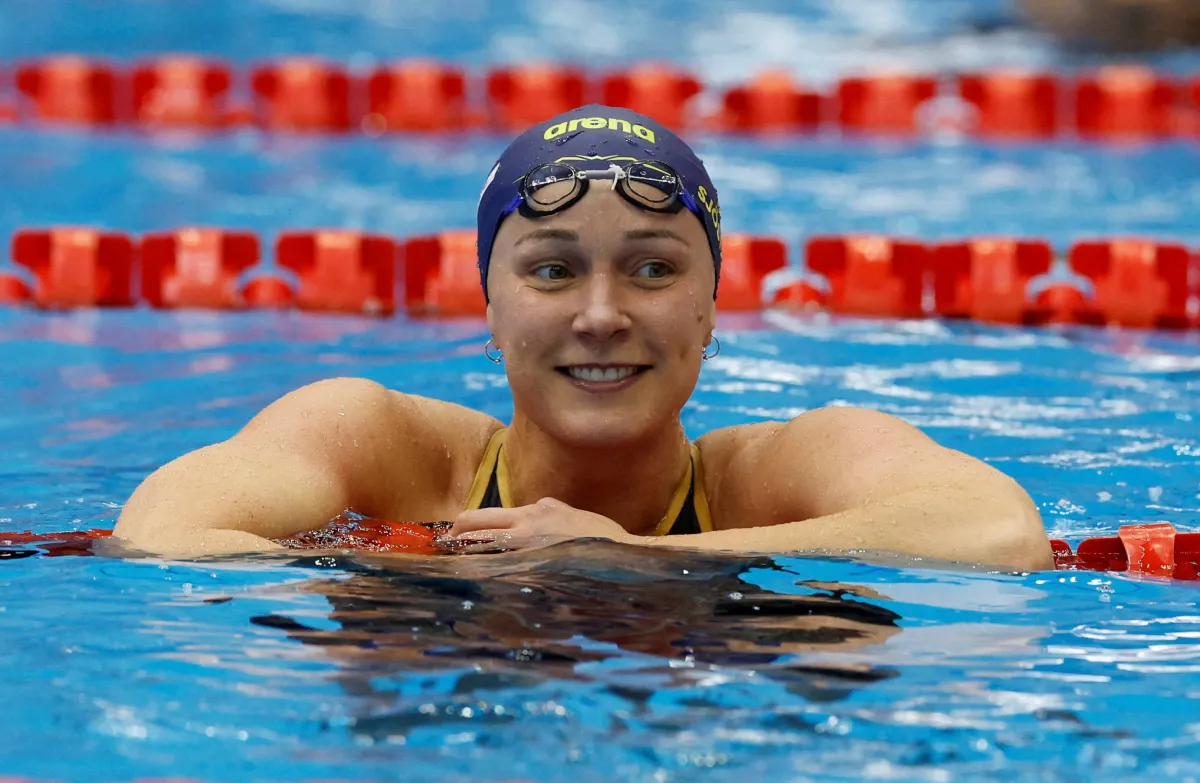
The world record in the 100-meter freestyle swimming, established by Olympic champion Sarah Sjöström, is significantly threatened after both Marit Steenbergen from the Netherlands and Anna Moesch from the United States delivered outstanding performances in recent competitions.
Moesch, a 20-year-old student at the University of Virginia, clocked a time of 51.94 seconds at the International London Meet, marking the third-fastest time in women's swimming history under 52 seconds. This time briefly stood as the second-fastest ever recorded, trailing Sjöström's world record of 51.71 seconds, set during the 2017 World Championships in Budapest.
Event Details
On Wednesday, Steenbergen surpassed Moesch's time, recording 51.86 seconds in the French town of Cannes during a stop on the Mare Nostrum series. Despite finishing seventh behind Sjöström in the 100-meter final at the Paris 2024 Olympics, she demonstrated her dominance in the sport following Sjöström's return from maternity leave.
Steenbergen successfully defended her world title in Singapore last year, outperforming Australian swimmer Molly O'Callaghan, reflecting her improved competitive level and ability to contend fiercely.
Background & Context
Sjöström, now 32 years old, returned to competition last month at a local meet, focusing on the 50-meter freestyle and butterfly events in preparation for the European Championships in Paris. Meanwhile, Moesch's rise signifies a turning point for American swimming, which has faced defeats against Australian teams in relay events on multiple occasions.
The United States finished second at the Paris Olympics, while Australia secured the gold medal for the fourth consecutive time in the 100-meter relay. Moesch, hailing from New Jersey, adds fresh strength to the American team, which also includes Kate Douglas and Tori Husk.
Impact & Consequences
The competition in women's swimming is intensifying, threatening previous records and enhancing the overall performance level of swimmers. As major championships approach, more surprises and unexpected results are anticipated, increasing excitement among fans.
New swimmers like Moesch and Steenbergen may reshape the landscape of women's swimming, boosting the sport's popularity in both the United States and Europe. The fierce competition could lead to improved overall performance among swimmers, positively impacting results in upcoming championships.
Regional Significance
Although women's swimming in the Arab world does not match the competitive level seen in Western countries, these events could inspire a new generation of Arab female swimmers. With growing interest in water sports, we may witness the emergence of new talents from the region in the near future.
In conclusion, all eyes remain on the upcoming competitions, where Sjöström will face new challenges from younger swimmers, adding further excitement to the world of swimming.