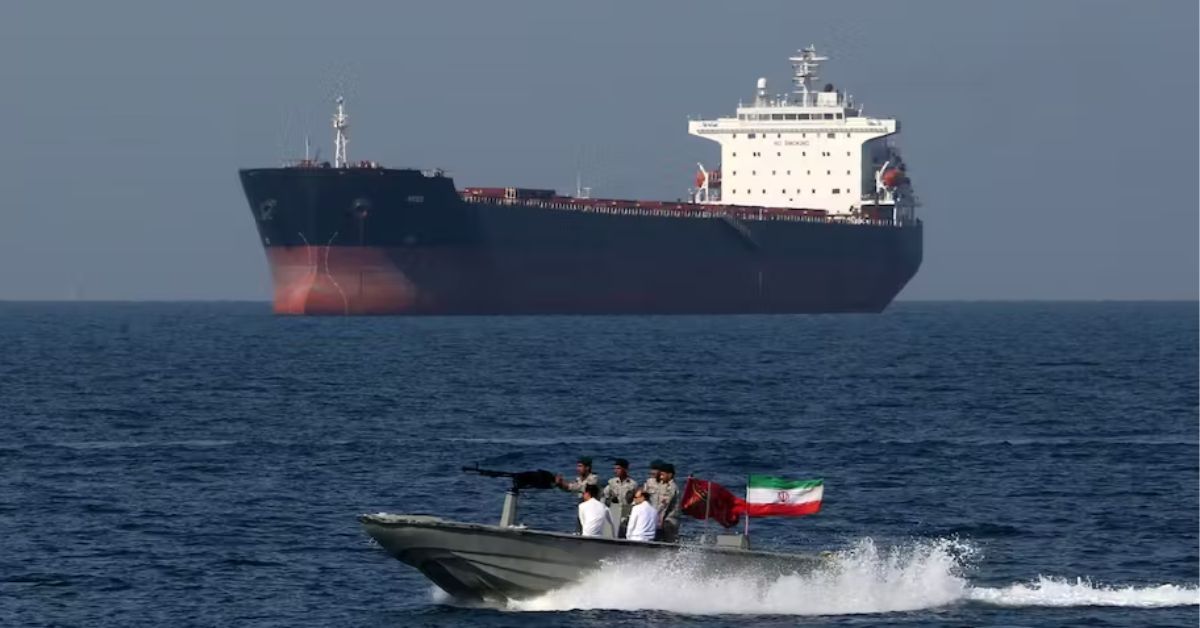
China confirmed on Tuesday that three container ships have successfully crossed the Hormuz Strait, which has been closed by Iran amid rising tensions in the region. Beijing expressed its gratitude for this development, occurring at a highly sensitive time for maritime traffic in the Arabian Gulf.
According to ship tracking data, two of the three vessels crossed the vital strait for oil and gas transportation on Monday, highlighting the importance of this strategic corridor in securing global energy supplies. The ship CSCL Indian Ocean passed through the strait at 9:14 AM GMT, reflecting active movement despite the surrounding circumstances.
Details of the Event
Ship movement through the Hormuz Strait is vital, as approximately 20% of the world's total oil supply passes through it. This step comes at a time when the region is experiencing increasing tensions, with Iran closing the strait as part of its military escalation in the area. These actions have raised concerns among many countries that rely on this corridor to secure their energy supplies.
The three ships that crossed the strait are part of a larger commercial movement, as countries strive to ensure the continuity of their oil and gas supplies. China, being one of the largest oil importers in the world, finds securing these maritime routes critically important.
Background & Context
The Hormuz Strait, which lies between Iran and Oman, is one of the most significant maritime passages in the world. Historically, the strait has witnessed numerous crises and tensions, especially amid regional conflicts. In recent years, tensions between Iran and the United States have escalated, impacting maritime navigation in the area.
In 2019, the strait experienced a series of attacks on oil tankers, leading to heightened concerns regarding navigation security. Many countries have taken steps to bolster their military presence in the region to ensure the safety of energy supplies.
Impact & Consequences
This move by China signals its desire to maintain stability in energy supplies, especially amid rising tensions. Additionally, the crossing of the ships reflects the ability of countries to adapt to changing conditions in the region, which may contribute to easing tensions.
However, ongoing tensions in the area could affect global trade movement, as any escalation in conflict could lead to the strait being closed again, impacting oil prices and global markets overall.
Regional Significance
The movement of ships through the Hormuz Strait is of great importance to Arab countries, as many of these nations rely on oil and gas supplies. Any escalation in tensions could affect the stability of these supplies, potentially leading to price increases and heightened economic pressures.
Moreover, these events reflect the challenges faced by the region amid ongoing conflicts, necessitating cooperation among Arab countries to ensure navigation security and protect economic interests.
In conclusion, the passage of the three ships through the Hormuz Strait underscores the significance of this strategic corridor in securing global energy supplies and highlights the challenges faced by the region amid increasing tensions.