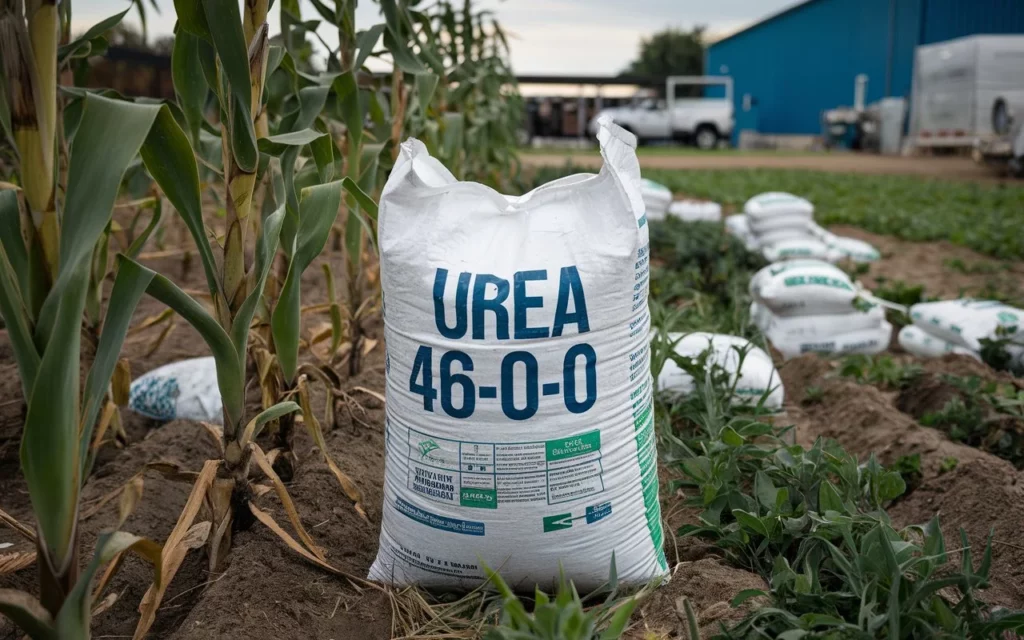
Indonesian Agriculture Minister Andi Amran Sulaiman announced that three countries have submitted requests to import urea fertilizer from Indonesia, particularly in light of the closure of the Strait of Hormuz. This step reflects Indonesia's position as a key fertilizer source on a global scale.
During his visit to the Bolong warehouse in Makassar, Sulaiman indicated that Indonesia will continue to export urea fertilizer, as several countries have shown interest. However, the minister did not disclose the names of the countries involved, noting that negotiations are still ongoing.
Details of the Announcement
Sulaiman confirmed that the Indonesian government has secured fertilizer supplies since the beginning of the year by purchasing raw materials, ensuring the availability of fertilizer in the local market. He explained that these measures are part of the strategic policy of Indonesian President Joko Widodo, who places significant emphasis on the agriculture sector.
The minister also pointed out that political tensions in the Middle East have not significantly affected food prices in Indonesia, as the national rice stock is secure and sufficient to meet citizens' needs for up to 11 months, with a stock of 4.5 million tons.
Background & Context
Indonesia is considered one of the largest producers of urea fertilizer in the world, playing a crucial role in securing the agricultural market's needs both locally and internationally. Historically, Indonesia has seen an increase in demand for fertilizer due to the continuous growth in the agriculture sector, making it a strategic hub for exporting these materials.
It is worth noting that the closure of the Strait of Hormuz, one of the world's most vital maritime passages, could impact global trade flows, including supplies of food and fertilizer. However, it appears that Indonesia is leveraging these circumstances to enhance its position as a primary supplier.
Impact & Consequences
These requests from other countries indicate Indonesia's importance in the global fertilizer market. Under the current circumstances, these requests could bolster the Indonesian economy and increase revenue from fertilizer exports.
Moreover, the stability of food prices in Indonesia may enhance the government's ability to address economic challenges arising from regional tensions, contributing to food security.
Regional Significance
Arab countries are significantly affected by changes in food and fertilizer markets, as many nations rely on imports to meet their agricultural needs. These developments in Indonesia may lead to increased competition in the market, potentially reflecting on prices and supplies in the region.
In conclusion, Indonesia remains a key player in securing the global market's fertilizer needs, highlighting the importance of international cooperation in addressing economic challenges.