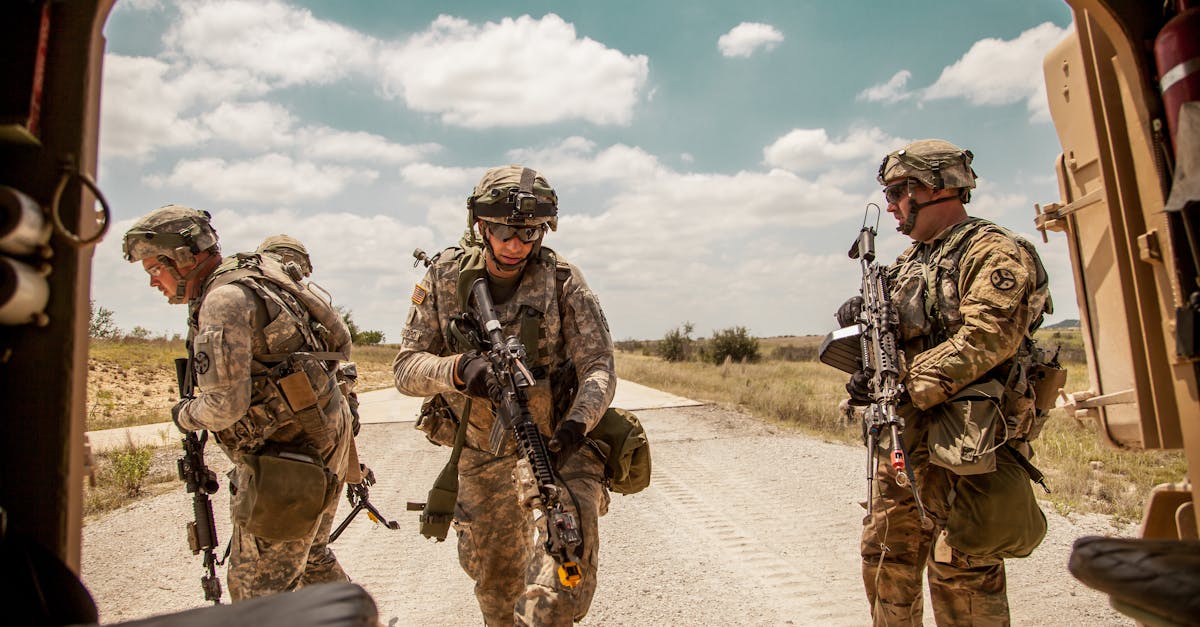
In a tragic incident, three soldiers from the Indonesian army lost their lives while participating in a peacekeeping mission in Lebanon. Soldier Farzal Romadon was killed due to artillery shelling, while both Captain Zulmi Aditia Iskandar and Sergeant Muhammad Noor Eishwan died in an explosion targeting a logistics convoy at the end of March 2026.
This painful event highlights the challenges and dangers faced by peacekeeping forces in conflict zones, where soldiers are subjected to unexpected attacks while performing their duties. Although these events may seem distant from the lives of ordinary citizens in Indonesia, their impact extends to the families of the soldiers who await their return with hearts full of hope.
Details of the Incident
The incident occurred in the Adchit al-Qsar area, a small region in southern Lebanon, where the United Nations peacekeeping forces known as the United Nations Interim Force in Lebanon (UNIFIL) were stationed. These forces are tasked with monitoring the ceasefire and ensuring the safety of civilians in the area, and the incident came at a sensitive time as tensions in Lebanon were rising.
The Indonesian soldiers, representing the Garuda Battalion, were on a mission to bolster security and stability in tense areas, reflecting Indonesia's commitment to international peace and security.
Background & Context
Indonesia has contributed to peacekeeping operations around the world for decades and is considered one of the largest contributors to UN forces. However, this participation comes with significant challenges, as soldiers face serious risks in conflict zones, such as Lebanon, which has experienced numerous armed conflicts since 1978.
The ongoing instability in Lebanon poses a constant threat to peacekeeping missions, making the role of Indonesian soldiers even more critical in maintaining order and safety in the region.
Impact & Consequences
This incident raises questions about the effectiveness of peacekeeping operations and their ability to achieve safety and stability in conflict areas. It may also affect international relations, prompting countries to reassess their participation in peacekeeping missions, which could impact the UN's ability to carry out its tasks in the future.
The loss of these soldiers may lead to increased scrutiny of the risks associated with peacekeeping missions and calls for improved safety measures for troops deployed in high-risk areas.
Regional Significance
The deaths of the Indonesian soldiers underscore the ongoing dangers faced by peacekeepers in volatile regions. This incident may lead to discussions on how to enhance the safety of soldiers and improve the effectiveness of peacekeeping operations globally.
As the international community reflects on this tragedy, it becomes crucial to consider strategies that can better protect peacekeepers and ensure the success of their missions in maintaining global peace.