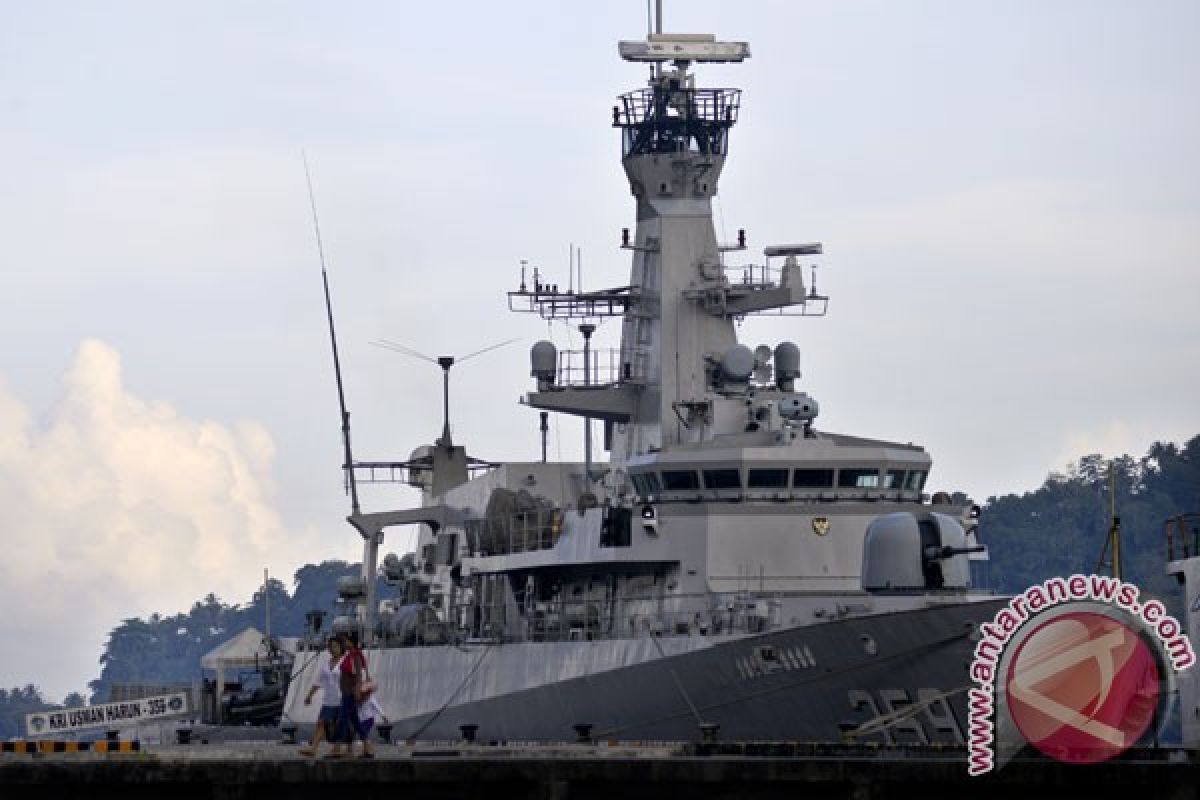
In a tragic incident, three Indonesian soldiers from the United Nations Interim Force in Lebanon (UNIFIL) were killed during clashes in the Bani Hayyan area, with the Israeli Defense Forces (IDF) denying any involvement in the attack. Reports indicated that one soldier was killed by a shell landing on one of their positions, while the other two were killed in an attack on their vehicle.
In an official statement, the Israeli Defense Forces confirmed that they did not use any explosives in the area and that their forces were not present at the site of the attack. This denial comes at a sensitive time as tensions between Israel and Hezbollah escalate, raising concerns about the safety of international peacekeeping forces in the region.
Details of the Incident
Last Sunday, one of the Indonesian peacekeeping positions in Lebanon was hit by a shell, resulting in the death of one soldier. The following day, two more soldiers were reported killed in an attack on a UNIFIL vehicle. These incidents occur amid rising violence in the region, where there has been an increase in cross-border attacks between the two sides.
The United Nations Security Council held an emergency meeting at the request of Indonesia and France to discuss these incidents, with UN Under-Secretary-General for Peacekeeping Operations, Jean-Pierre Lacroix, emphasizing the need to protect peacekeeping forces, stating that "peacekeepers should not be a target."
Background & Context
The roots of the current tensions date back to early March when Hezbollah resumed its rocket attacks on Israeli territory, prompting a widespread Israeli military response. On March 16, Israel announced the commencement of a ground operation in southern Lebanon, further complicating the security situation in the area.
Historically, Lebanon has been a theater for multiple conflicts, with international peacekeeping forces playing a crucial role in attempts to maintain stability. However, the escalating violence between Israel and Hezbollah threatens to undermine this stability, making it increasingly difficult for peacekeepers to carry out their missions effectively.
Impact & Consequences
These incidents highlight the increasing risks faced by peacekeeping forces in Lebanon, as tensions rise between the conflicting parties. This situation may lead to growing calls for enhanced protection for UNIFIL forces and could raise concerns within the international community regarding the ability of these forces to perform their duties in a volatile environment.
Moreover, these events could lead to greater escalation in the conflict between Israel and Hezbollah, potentially negatively impacting regional security and increasing the suffering of civilians in Lebanon.
Regional Significance
These events serve as a stark reminder of the security challenges facing Arab countries, especially amid ongoing regional conflicts. The escalation of violence in Lebanon could affect the stability of neighboring countries and increase the flow of refugees, placing an additional burden on Arab nations.
In conclusion, the situation in Lebanon remains under scrutiny, as the current circumstances require urgent international response to ensure the safety of peacekeeping forces and protect civilians in the region.