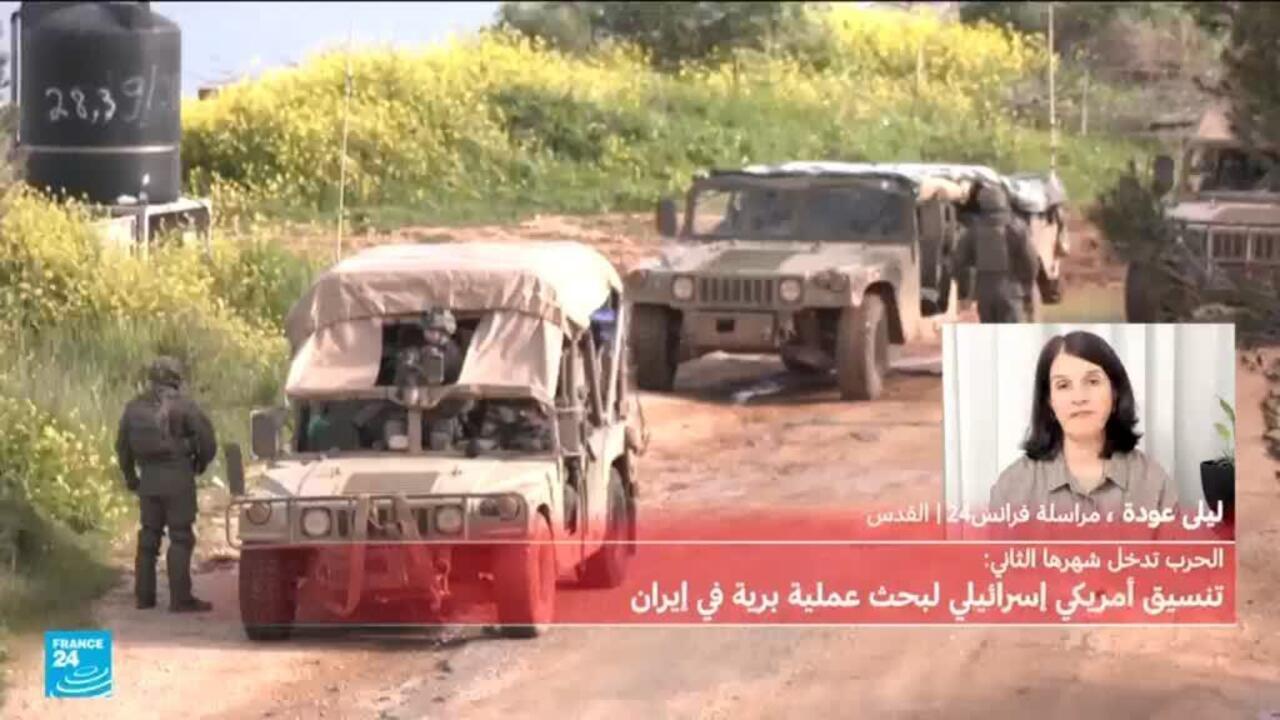
Three Israeli soldiers were injured in southern Lebanon due to ongoing rocket and drone attacks targeting Israel. The Israeli army announced it is responding to a missile attack that originated from Iran. The army confirmed that its defense systems are effectively working to intercept threats, as tensions in the region continue to escalate.
In a related context, a chemical plant in southern Israel near the city of Be'er Sheva was hit by a missile or missile debris, causing damage to the site. These attacks prompted Israeli authorities to issue warnings to local residents to stay away from the area, indicating the presence of hazardous materials in the plant.
Details of the Incident
The Israeli army reported in a statement via Telegram that it is countering a missile attack coming from Iran, with air defense systems activated to intercept the missiles. Several missile attacks have been detected over the past few days, increasing tensions in the region.
These events come at a sensitive time, as tensions between Israel and Iran are escalating, particularly with the increase in Iranian military activities in the area. Some analysts have pointed out that these attacks may be part of a larger Iranian strategy aimed at pressuring Israel.
Background & Context
Historically, the Israeli-Lebanese border has witnessed ongoing tensions, with Iran and its allies in the region, including Hezbollah, being considered major threats to Israeli security. These threats have increased in recent years, especially with the rise of Iranian military activities in Syria and Lebanon.
The missile attacks are part of the ongoing conflict between Israel and Iran, where Iran seeks to enhance its influence in the region by supporting armed groups. The past years have seen several rounds of military escalation between the two sides, raising the likelihood of a larger conflict.
Impact & Consequences
These events indicate a rise in tensions in the region, which could lead to greater military escalation between Israel and Iran. Additionally, these attacks may impact stability in Lebanon, potentially leading to military responses from Israel against Hezbollah.
Furthermore, military escalation could affect relations between Arab countries and Iran, as some nations may adopt harsher stances against Iranian activities in the region. These events may also impact the regional economy, potentially leading to increased trade and investment tensions.
Regional Significance
These events serve as an indicator of rising tensions in the Middle East, which could have negative implications for security and stability in neighboring countries. Military escalation may also affect peace efforts in the region, potentially exacerbating humanitarian crises in Lebanon and Syria.
In conclusion, the region remains on high alert, with observers expecting further military escalation in the coming days. Recent events reflect the complexities of the conflict in the Middle East and highlight the need for peaceful solutions to ongoing tensions.