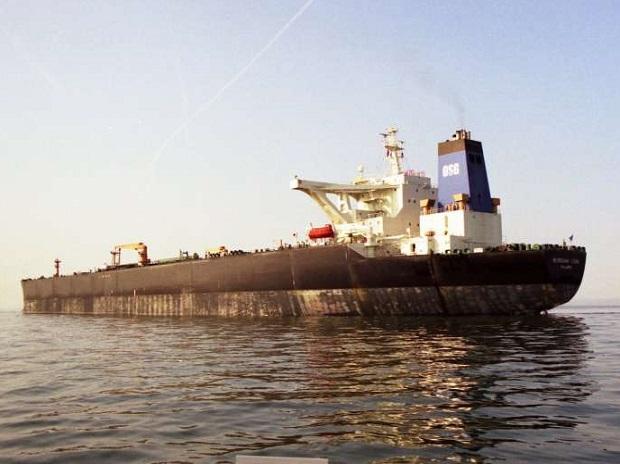
Three oil tankers, one of which is owned by a French company, crossed the Hormuz Strait yesterday, in a move that reflects the significant challenges facing maritime navigation in the region. This operation comes at a time when relations between Iran and Western countries, particularly the United States and Israel, have escalated to unprecedented levels since the outbreak of the war on February 28.
Before the outbreak of the conflict, the Hormuz Strait was a vital transit point for about one-fifth of global oil production and liquefied natural gas. Iran has warned that it will not allow the passage of ships linked to countries it considers involved in the attack against it, while it may allow the passage of vessels from "friendly" countries under prior coordination.
Details of the Event
Maritime traffic data showed that the three vessels crossed near the Omani Musandam Peninsula, with all indicating they were "Omani ships" during their transit. Among these vessels was a container ship belonging to the French group "CMA CGM," which crossed the strait to leave the Gulf, marking the first announced crossing of a ship owned by a major European shipping group under the current circumstances.
Additionally, two large tankers loaded with crude oil, namely Habrout and Dalcout, along with an empty liquefied natural gas tanker, crossed, indicating a partial resumption of maritime traffic. The Suhar LNG tanker, jointly owned by the Japanese shipping company Mitsui OSK, is the first LNG tanker to cross the strait since March 1.
Background & Context
Since the beginning of the war on Iran, the Hormuz Strait has witnessed a significant decline in maritime traffic, with only 240 crossings recorded from March 1 until Friday morning, representing a 94% decrease compared to the pre-war period. Iran has issued threats to attack any ships attempting to cross the strait without coordination, complicating the security situation in the region.
On March 2, Iran announced restrictions on maritime traffic in the strait, leading to increased shipping and insurance costs and rising oil prices, raising global economic concerns. The war has resulted in thousands of casualties and has significantly impacted the stability of global energy markets.
Impact & Consequences
The American-Israeli war on Iran is causing significant fluctuations in energy markets, with rising prices for oil and gas and increased inflation levels. Many countries are seeking to take swift action to mitigate the effects of these crises on their economies and citizens.
The movement of the three ships across the strait is an indicator of the possibility of resuming some commercial activities, despite ongoing tensions. However, the security situation in the region remains fragile, which may affect maritime traffic in the future.
Regional Significance
The ongoing events in the Hormuz Strait directly affect Arab countries, especially those reliant on oil exports. Continued tensions could lead to increased oil prices, negatively impacting the economies of these nations.
In conclusion, maritime traffic in the Hormuz Strait remains under close observation, as fears of a potential escalation in the regional conflict grow, which could affect the stability of the entire region.