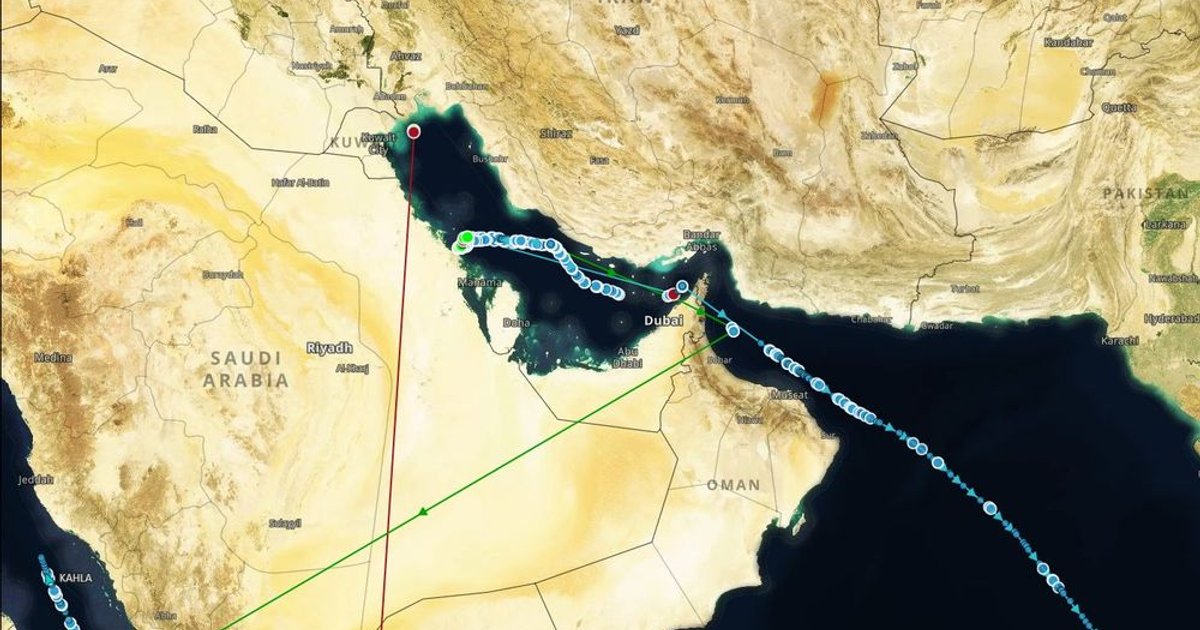
Three oil tankers, one of which is owned by a Japanese company, have crossed the Strait of Hormuz, which is considered one of the most important waterways in the world. This crossing occurs at a time of rising tensions in the region, highlighting the significance of this strait in global trade.
The Strait of Hormuz is a vital transit point for oil transportation, with approximately 20% of the world's total oil passing through it. This crossing reflects the continued commercial activity in the area despite the political and security challenges it faces.
Details of the Event
The Japanese tanker that crossed the strait is part of a large fleet transporting oil from Gulf countries to global markets. Reports indicate that these tankers crossed the strait early yesterday morning, reflecting the stability of transport operations in this strategic region.
It is noteworthy that the Strait of Hormuz has witnessed numerous incidents and tensions in recent years, including threats from some regional countries to close the strait in the event of escalating conflicts. However, the crossing of these tankers indicates that trade activity continues despite these challenges.
Background & Context
Historically, the Strait of Hormuz has been a strategic point for centuries, serving as a major trade route. In recent years, it has become a center of geopolitical tensions, especially between Iran and Western countries. These tensions have raised concerns about the safety of commercial vessels and freedom of navigation.
In 2019, the strait experienced a series of attacks on oil tankers, raising alarm in the international community. These events led to an increased naval presence in the region to protect commercial vessels and ensure safe navigation.
Impact & Consequences
The movement of tankers through the Strait of Hormuz is an indicator of the stability of oil markets, as any disruption in this movement could lead to a rise in global oil prices. Therefore, the continued crossing of tankers reflects confidence in the safety of navigation in the region.
This crossing also underscores the importance of international cooperation in protecting vital waterways. Many countries have bolstered their military presence in the region to ensure maritime safety, reflecting the international community's commitment to safeguarding global trade.
Regional Significance
The crossing of these tankers represents a positive step for many Arab countries that rely on oil exports as a primary source of revenue. The continued flow of transport through the Strait of Hormuz enhances the stability of Gulf economies and ensures revenue streams.
Moreover, this event highlights the importance of cooperation between Arab countries and major powers in protecting economic interests in the region. International collaboration in maritime security can contribute to enhancing stability in the area.
In conclusion, the crossing of three oil tankers through the Strait of Hormuz, including the Japanese tanker, demonstrates that trade activity remains robust in this vital region. However, the greatest challenge remains ensuring the safety of navigation amid ongoing geopolitical tensions.