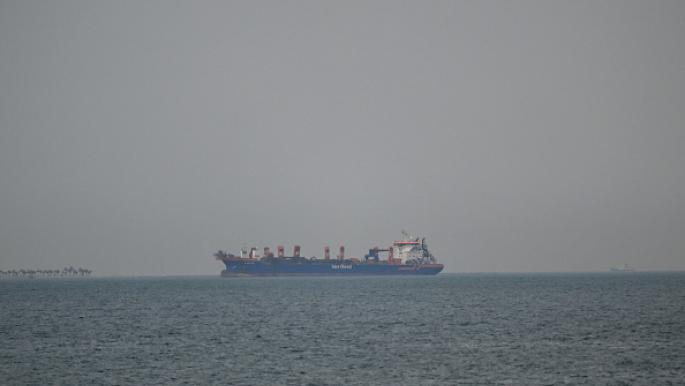
Maritime activity has surged in the Strait of Hormuz, where three oil tankers have opted for an alternative route along the coast of Oman. This decision comes amid rising regional tensions and Iranian measures to regulate traffic and impose new fees.
These movements occur at a time when the Strait of Hormuz, one of the world's most critical maritime passages, is experiencing increasing tensions due to Iranian practices aimed at controlling navigation. These measures have raised concerns among many countries that rely on this vital passage for exporting their oil.
Details of the Event
Reports indicate that the three tankers have taken this new route in an attempt to avoid potential harassment from Iranian forces, which have bolstered their military presence in the region. The Strait of Hormuz is a vital transit point for approximately 20% of the world's total oil, making any change in navigation there have far-reaching effects on global oil markets.
This step comes at a sensitive time, as fears of escalating conflict between Iran and the United States grow, alongside tensions with Gulf Arab states. Some analysts have suggested that these movements may be a response to increasing international pressure on Iran, prompting it to take stricter measures to regulate navigation.
Background & Context
The Strait of Hormuz is a narrow waterway that separates Iran from Oman and is considered a key transit point for oil shipments from Gulf countries to global markets. Historically, the strait has witnessed numerous crises and tensions, particularly during periods of conflict between Iran and the West. These crises have led to increased military presence in the region, impacting navigation and causing oil prices to rise.
In recent years, Iran has enhanced its military presence in the strait, launching several military operations aimed at protecting its maritime interests. It has also imposed fees on passing vessels, which has caused discontent among many oil-exporting countries.
Impact & Consequences
These maritime movements underscore the importance of the Strait of Hormuz as one of the vital passages in the global economy. Any disruption in navigation could lead to rising oil prices, affecting the global economy as a whole. Additionally, these Iranian actions may increase tensions with Western countries, potentially negatively impacting international relations.
Furthermore, these developments could lead to changes in the strategies of oil-exporting countries, as some may seek alternative ways to export their oil, which could affect global oil markets.
Regional Significance
These events are particularly significant for Arab countries, many of which rely on oil exports as a primary source of revenue. Any increase in tensions in the Strait of Hormuz could directly impact the economies of these countries, making them in need of alternative strategies to address these challenges.
Moreover, these developments may lead to strengthened cooperation among Arab countries in the field of maritime security, as they may seek to protect their shared interests in the face of potential threats.