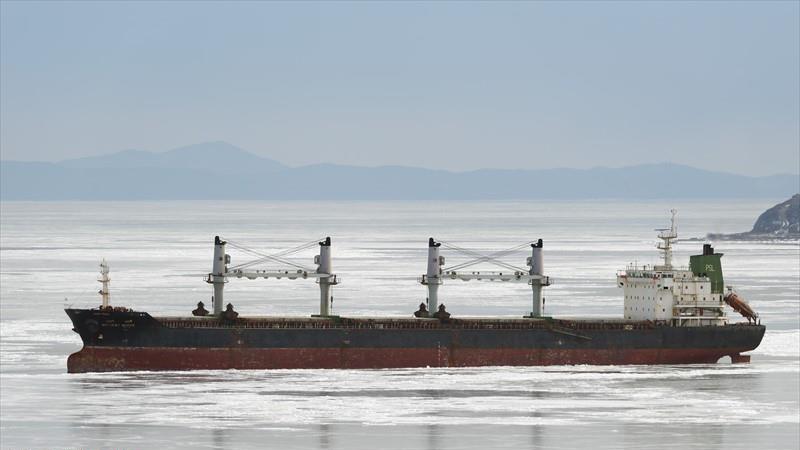
The Thai Ministry of Foreign Affairs announced on Wednesday the tragic death of three Thai sailors who were aboard the commercial vessel Mayuree Naree after it was subjected to a missile attack in the Hormuz Strait. The incident took place on March 11, when missiles struck the engine room, leading to the fatalities of the three sailors.
Thai Foreign Minister Surapong Tovichakchaikul confirmed in statements to reporters that the incident was tragic, as the sailors were unable to escape due to their location in the engine room during the attack. He also expressed gratitude for the efforts made by Omani authorities and the Thai navy in rescuing the remaining crew members of the ship.
Details of the Incident
The vessel Mayuree Naree was on a commercial voyage when it came under attack. The assault resulted in a significant fire on the ship, complicating rescue operations. A total of 20 other sailors were rescued by Omani naval forces, who collaborated with the Thai navy in the rescue efforts.
Following the attack, the ship drifted towards Iranian shores, where the bodies of the three sailors were discovered. This incident highlights the increasing risks in the Hormuz Strait, which is considered one of the busiest waterways in the world.
Background & Context
The Hormuz Strait is a vital transit point for oil and natural gas transportation, with approximately 20% of the world's total oil passing through it. Historically, the strait has witnessed numerous military tensions between nations, particularly amid ongoing regional conflicts. Attacks on commercial vessels are not new, but they have escalated in recent years due to rising tensions between Iran and Western countries.
The recent incident reflects the security challenges facing navigation in this region. In recent years, several ships have faced similar attacks, raising concerns within the international community regarding maritime safety.
Impact & Consequences
This incident may affect relations between Thailand and Iran, as the Thai government has requested clarifications from Iranian authorities regarding the attack. It is likely that this incident will lead to increased scrutiny of maritime security in the region and may prompt concerned nations to enhance military cooperation to protect commercial vessels.
Moreover, the incident could impact global oil prices, as it may lead to heightened tensions in the area, which could affect oil supplies. Investors and analysts are closely monitoring the situation, as any escalation in the region could result in volatility in financial markets.
Regional Significance
For Arab countries, this incident underscores the risks faced by navigation in their territorial waters. Many Arab nations rely on the Hormuz Strait for transporting their oil and gas exports, and any threats to maritime security could adversely affect their economies.
These events require Arab nations to strengthen security and maritime cooperation to ensure safe navigation and protect their economic interests. Additionally, enhancing diplomatic dialogue among the concerned countries may be essential to avoid escalating tensions.