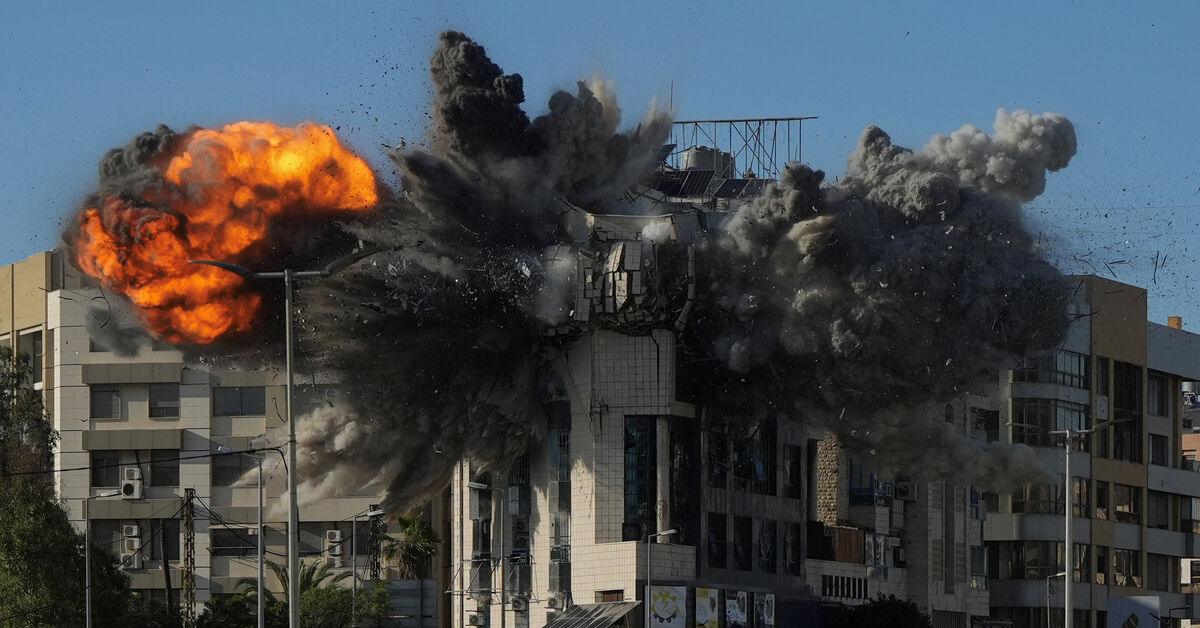
This week, three United Nations peacekeepers were killed in southern Lebanon, marking one of the bloodiest chapters in the ongoing conflict between Israel and Hezbollah. The UN Interim Force in Lebanon (UNIFIL) was first deployed in 1978 and has witnessed numerous armed conflicts over the years.
This incident comes at a sensitive time as tensions between Israel and Hezbollah escalate, raising concerns about the safety of peacekeeping forces. UNIFIL sites have previously been subjected to several attacks, reflecting the significant challenges faced by this force in maintaining stability in the region.
Details of the Incident
This incident is considered one of the deadliest events in UNIFIL's history, with the three soldiers killed while performing their duties in an area known for its high tension in Lebanon. The United Nations has expressed its condolences to the families of the victims, emphasizing the importance of protecting peacekeeping forces under the difficult circumstances they face.
It is noteworthy that UNIFIL was established following the Israeli invasion of Lebanon in 1978, aimed at monitoring the ceasefire and assisting the Lebanese government in asserting its authority in the south. However, the security situation in the region remains fragile, with ongoing clashes between various armed factions.
Background & Context
Since its establishment, UNIFIL has faced significant challenges in carrying out its mission, having been subjected to repeated attacks by armed groups. In 2006, Lebanon experienced a devastating war between Israel and Hezbollah, leading to an increase in UNIFIL forces and an expansion of its mandate. As UNIFIL's mandate approaches its end this year, questions arise regarding the future of this force and its role in maintaining peace in the region.
Historically, Lebanon has been a battleground for regional and international conflicts, heavily influenced by disputes among major powers. The current situation reflects the continuation of these dynamics, with regional powers playing a significant role in determining the country's fate.
Impact & Consequences
The killing of the three soldiers serves as a wake-up call for the international community regarding the dangers faced by peacekeeping forces in conflict zones. Continued attacks on UNIFIL could undermine peace efforts in Lebanon and complicate the security situation further. Additionally, these incidents may affect international support for peacekeeping forces, weakening their ability to carry out their missions effectively.
Moreover, the escalation of tensions between Israel and Hezbollah could lead to greater military escalation, threatening the stability of the entire region. Any escalation in the conflict could drag other countries into the fray, further complicating the security landscape in the Middle East.
Regional Significance
The events in Lebanon hold particular significance for Arab countries, reflecting the ongoing tensions in the region. Any escalation in the conflict between Israel and Hezbollah could impact regional security and heighten tensions between Arab states and Israel. Furthermore, the situation in Lebanon may influence relations between Arab countries and Hezbollah, complicating the political landscape in the region.
In conclusion, the events in Lebanon remain a focal point for the international community, serving as an indicator of the challenges faced by peacekeeping forces in conflict zones. Maintaining stability in Lebanon requires joint efforts from all stakeholders, including the international community and Arab nations.