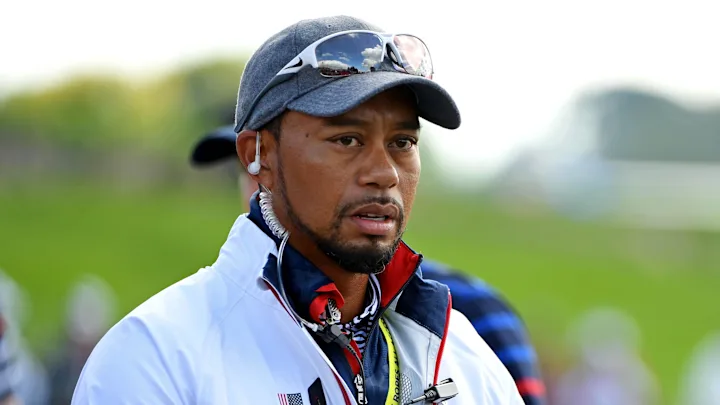
American golf legend Tiger Woods has announced his refusal to take on the role of captain for the US team in the 2023 Ryder Cup, raising questions about the player's future in the world of golf. This decision comes after a period of speculation regarding his potential return to competition following the injury he sustained in a car accident in 2021.
Woods, who is considered one of the greatest golfers in history, initially expressed interest in taking on this role, but ultimately decided not to accept the invitation. He confirmed in his statements that he prefers to focus on recovering from his injury rather than committing to the responsibilities of leadership in the championship.
Event Details
The Ryder Cup is regarded as one of the most important tournaments in the world of golf, featuring the best players from the United States and Europe. The tournament is scheduled to take place in September 2023 in Italy. Woods had previously led the American team in the last tournament, where they achieved a significant victory.
Woods' refusal of this position reflects the challenges he faces following his injury, as he is still in the recovery phase. He stated that he prefers to be part of the team as a supporter rather than as a captain, which reflects the spirit of teamwork and solidarity among the players.
Background & Context
Historically, Tiger Woods is considered a symbol of golf, having won numerous major championships and becoming a central figure in the sport. However, his career has faced several challenges, including injuries and personal issues. The car accident that occurred in February 2021 was a turning point in his life, as he underwent multiple surgeries.
Despite these challenges, Woods remains immensely popular among golf fans, and his return to competition is seen as an inspiration for many. His refusal to lead the team in the Ryder Cup may have an impact on the team's morale, as he was viewed as a natural leader.
Impact & Consequences
Woods' refusal of this position could affect the American team in the Ryder Cup, as he was considered one of the key elements in shaping the team. Coaches may need to look for a new leader who can guide and motivate the players during the tournament.
On the other hand, this decision may open the door for other players to take on leadership roles, potentially leading to changes in the team's dynamics. Additionally, Woods' absence from leadership may affect viewership and interest in the tournament, as he is regarded as one of the most prominent names in the world of golf.
Regional Significance
Although golf is not the most popular sport in the Arab world, Woods' influence extends across the globe, including Arab countries. Woods is seen as a role model for many young people in the region who aspire to achieve their dreams in sports.
Moreover, major sporting events like the Ryder Cup contribute to enhancing sports tourism in the host countries, which can benefit the local economy. Therefore, Woods' absence from the tournament may impact public interest in it within the region.
In conclusion, Tiger Woods' decision not to accept the role of captain for the US team in the 2023 Ryder Cup highlights the challenges the player faces following his injury and underscores the importance of leadership in sports. It remains to be seen how these developments will affect the tournament and Woods' future in the world of golf.