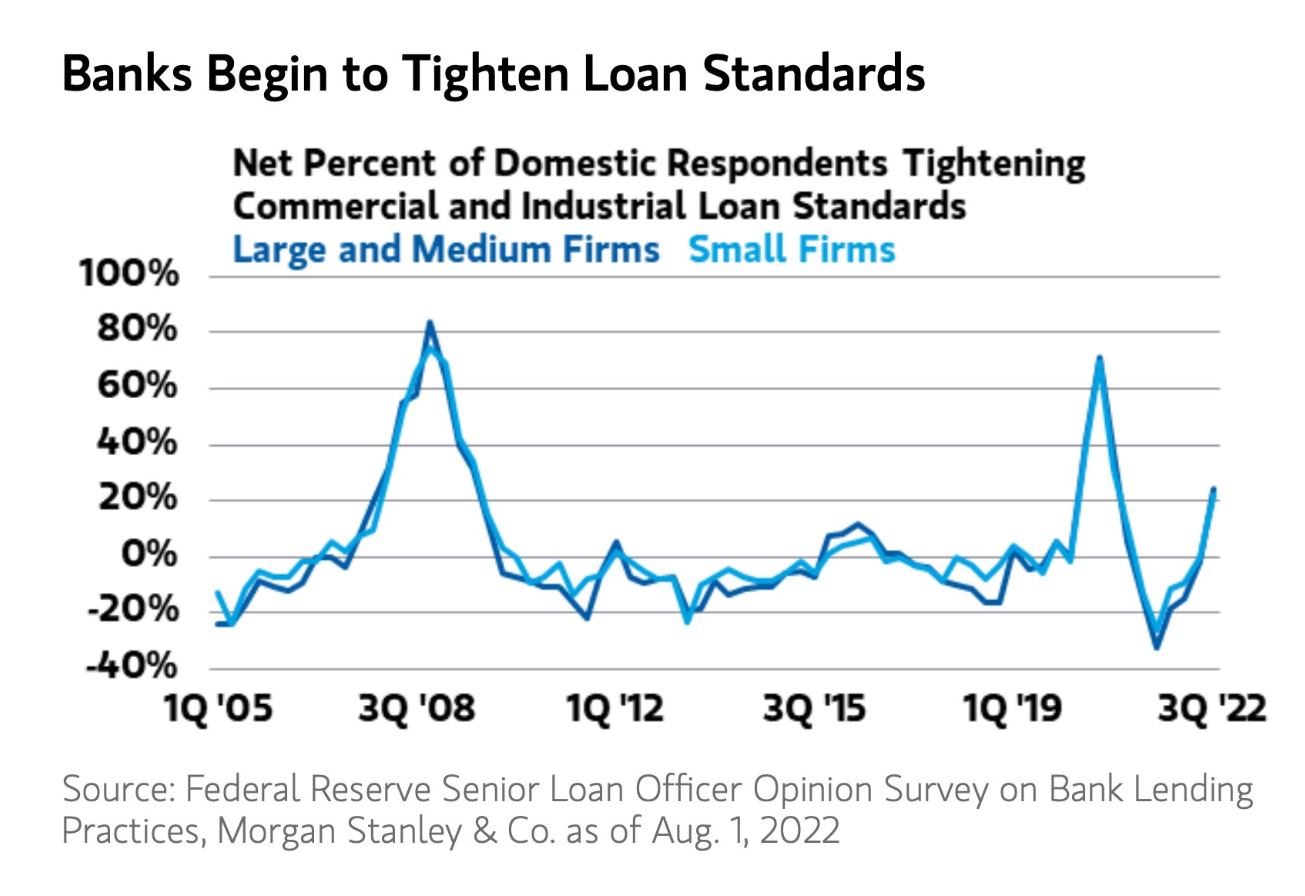
European banks have witnessed a significant tightening of credit standards extended to businesses, with the highest level of tightening recorded since over two years at the beginning of 2026. This trend arises amid escalating geopolitical conditions, including the war in Iran, which has negatively impacted confidence in financial markets.
According to reports, this tightening reflects banks' concerns over the increasing risks that businesses may face under the current economic conditions. Data has shown that many banks have adjusted their credit policies to mitigate potential risks, which may affect companies' ability to secure the necessary funding to expand their operations.
Details of the Tightening Measures
Data indicates that European banks have taken serious steps to tighten credit standards, representing the largest change since the beginning of 2024. Reports have shown that banks have increased collateral requirements and reduced credit limits granted, reflecting a cautious approach in dealing with businesses.
This tightening of standards comes at a sensitive time, as many companies face significant challenges due to rising production costs and increasing inflation. Additionally, geopolitical situations, such as the conflict in Iran, have complicated the economic landscape, prompting banks to adopt precautionary measures.
Background & Context
Over the past few years, the Eurozone has experienced significant economic fluctuations, with markets affected by several factors, including financial and political crises. The war in Iran, which began in 2025, has had widespread repercussions on the global economy, impacting confidence in financial markets.
Historically, the Eurozone has seen periods of tightening in credit standards, often as a response to economic crises. In recent years, there have been attempts to enhance financial stability, but geopolitical events have reversed progress.
Impact & Consequences
The tightening of credit standards may lead to a slowdown in economic growth in the Eurozone, as companies will find it increasingly difficult to obtain necessary financing. This situation could affect new investments and increase unemployment rates, negatively impacting the economy as a whole.
Moreover, this tightening may increase pressures on small and medium-sized enterprises, which heavily rely on external financing. Under these conditions, many companies may be forced to reassess their strategies and reduce their expenditures.
Regional Significance
The implications of tightened credit standards are significant for the Eurozone, as they may hinder economic recovery efforts and exacerbate existing challenges faced by businesses. The overall economic environment could become more precarious, affecting not only local markets but also global economic stability.
In conclusion, the tightening of credit standards in European banks highlights the delicate balance between managing risks and supporting economic growth. As geopolitical tensions persist, the financial landscape remains uncertain, necessitating careful monitoring and strategic responses from both banks and businesses.