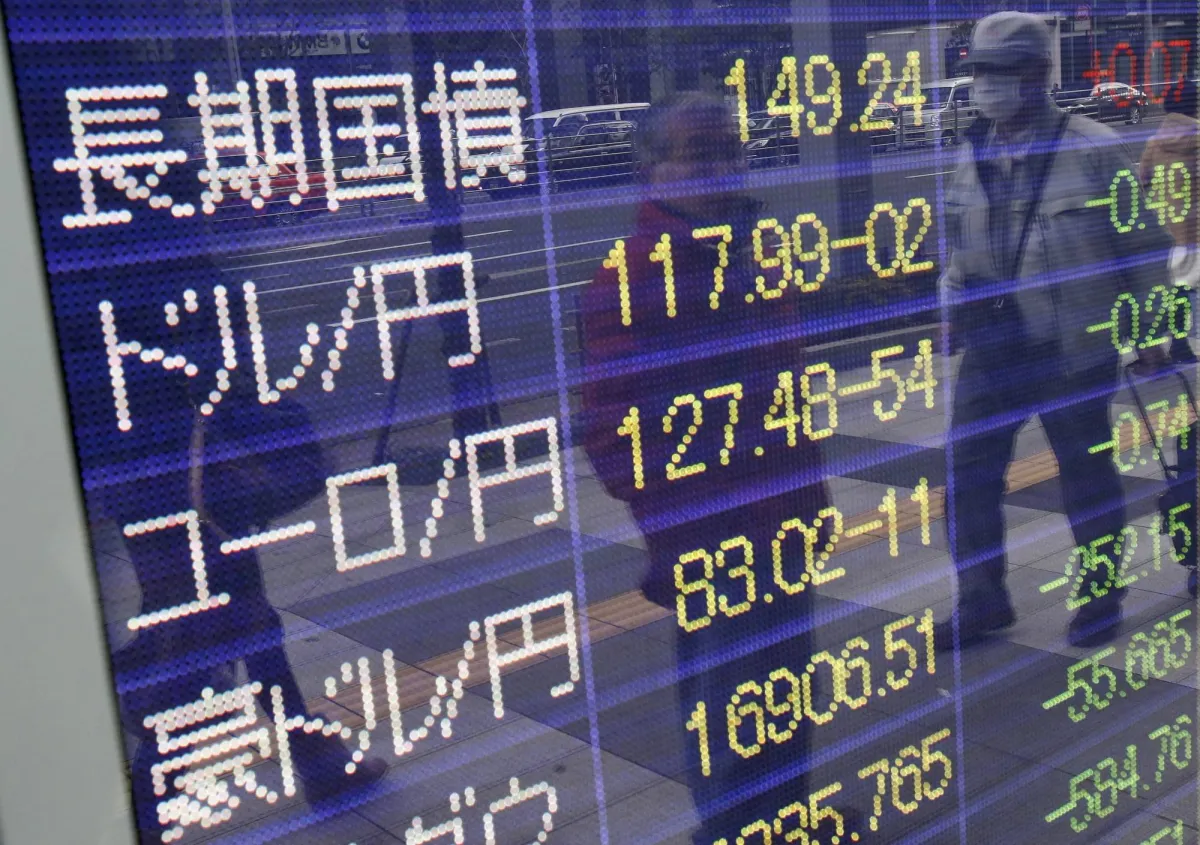
On Tuesday, Japanese authorities described the yen's decline as stemming from 'speculative movements,' which reflects policymakers' concerns over the currency's deterioration. This statement comes as the yen approaches the level of 160 to the dollar, a threshold that observers consider a trigger for direct government intervention.
Finance Minister Satsuki Katayama reiterated Tokyo's readiness to act 'on all fronts' to counter sharp fluctuations in the currency market. This declaration comes amid the dual pressures facing Japan, stemming from rising oil prices due to the closure of the Strait of Hormuz and increased import costs due to the yen's weakness, placing the fragile Japanese economy at risk of rising inflation.
Details of the Event
Analysts believe that the government's heightened rhetoric aims to rein in short-sellers at a time when the country is experiencing increasing economic pressures. Japanese government bonds have seen a notable rebound, supported by strong demand in a two-year securities auction. The yield on the benchmark ten-year bonds fell by 1.5 basis points to 2.340%, retreating from its peak recorded on Monday.
Auction data showed that the coverage ratio reached 3.54 times, reflecting investors' desire to seize current yields amid uncertainty regarding the pace of future interest rate hikes. At the same time, long-term bonds (20, 30, and 40 years) recorded significant declines in yields, indicating a market reassessment of global recession risks stemming from ongoing geopolitical conflicts.
Background & Context
Despite data showing a slowdown in price inflation in Tokyo during March to 1.7%, below the central bank's 2% target, experts at Barclays and Nomura expect this slowdown to be temporary. Analysts indicate that the Bank of Japan will likely have to proceed with interest rate hikes during its meeting in April to address the 'second shock' arising from the surge in energy prices.
Japan is now more susceptible to secondary inflation effects compared to the period of the Ukraine war in 2022, placing the Bank of Japan in a difficult position: either raise rates to combat inflation and protect the currency or hold off to avoid harming an already struggling economy under the burden of high energy costs.
Impact & Consequences
Gold prices are heading towards their worst monthly performance in over 17 years, having risen amid hopes of de-escalation in the Middle East conflict. However, prices have fallen by more than 13% this month, influenced by a strong dollar and declining expectations for a U.S. interest rate cut this year.
At the same time, the dollar is on track to achieve its largest monthly gains since July, emerging as the strongest safe asset, as the war in the Middle East has led to rising oil prices and increased global recession risks. Other safe havens, such as bonds and gold, have performed poorly since the outbreak of the war.
Regional Significance
The Arab region is directly affected by the repercussions of rising oil prices due to the conflict in the Middle East. The closure of the Strait of Hormuz, through which about one-fifth of global oil supplies pass, threatens the stability of oil markets. Additionally, U.S. statements regarding Iran may escalate tensions in the region, impacting investments and trade.
In conclusion, the economic situation in Japan remains under observation as the government seeks to take effective steps to address current challenges. The global impacts of the conflict in the Middle East will continue to affect financial markets and economies worldwide.