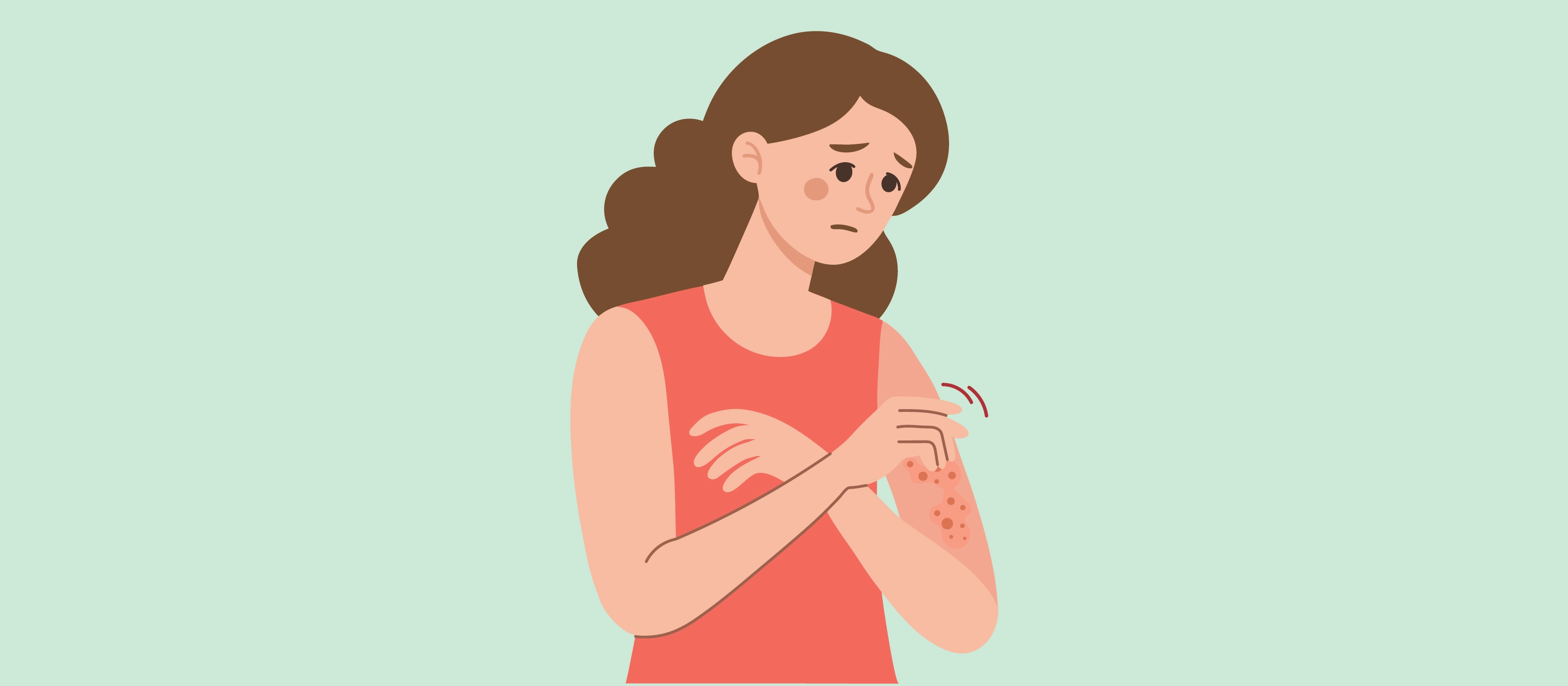
Topical Steroid Withdrawal (TSW) is currently one of the most controversial health issues, with increasing testimonials shared on social media platforms, especially on TikTok, where videos related to it have been viewed over one billion times. Many individuals, such as Bethany Gamble, are suffering from painful and perplexing symptoms after using steroids to treat eczema.
Bethany, who has struggled with eczema since childhood, began to notice a worsening of her condition when she turned eighteen. Eczema patches spread across her body, causing her severe pain and loss of the ability to engage in daily activities. Bethany states, "It was hard to believe that what I was experiencing was more than just eczema."
Event Details
The condition known as Topical Steroid Withdrawal is characterized by a severe reaction to the use of steroid creams, which are considered the first-line treatment for many eczema patients. However, many doctors and dermatologists still struggle to accurately diagnose or treat this condition. Professor Sarah Brown, a dermatologist at the University of Edinburgh, confirmed that the symptoms experienced by TSW patients are entirely different from those associated with traditional eczema, necessitating further research and study.
Many individuals are sharing their experiences on social media, contributing to increased awareness about this condition. Among them is Henry Jones, who describes himself as a "TSW warrior," having suffered from painful symptoms that led him to withdraw from university. Henry says, "It was difficult for doctors to believe that my condition was more than just eczema."
Background & Context
Historically, topical steroids have been used to treat a variety of skin conditions, including eczema. However, prolonged use of these medications can lead to serious side effects, such as skin thinning or even Cushing's syndrome. In 2021, the Medicines and Healthcare products Regulatory Agency in the UK acknowledged that TSW is a severe reaction to steroid use, but it is still considered a rare condition.
Current research shows that TSW can manifest in different forms on various skin types, complicating its diagnosis. On lighter skin, it appears as severe redness, while on darker skin, it may present as purplish or brown patches, making it harder to identify.
Impact & Consequences
Studies indicate that TSW can have a significant psychological impact on patients, with many suffering from anxiety and depression due to the painful symptoms. Andrew Procter from the National Eczema Society noted that patients feel trapped between two choices: continuing to use steroids or facing painful symptoms.
Addressing TSW requires a comprehensive approach, with doctors needing to work closely with patients to understand the best treatment methods. At Royal London Hospital, Dr. Alya Ahmed offers treatment options that include psychological support and immunotherapy, helping patients overcome the challenges associated with this condition.
Regional Significance
Conditions like TSW are significant for the Arab region, where many individuals suffer from similar skin issues. With the increasing use of steroids to treat dermatological conditions, doctors in the Arab world must be aware of this condition and strive to provide the necessary support and care for patients.
Ultimately, patients experiencing similar symptoms should seek appropriate medical help and be aware that they are not alone in their struggles. The medical community must continue researching and studying to better understand this condition and provide effective treatments.