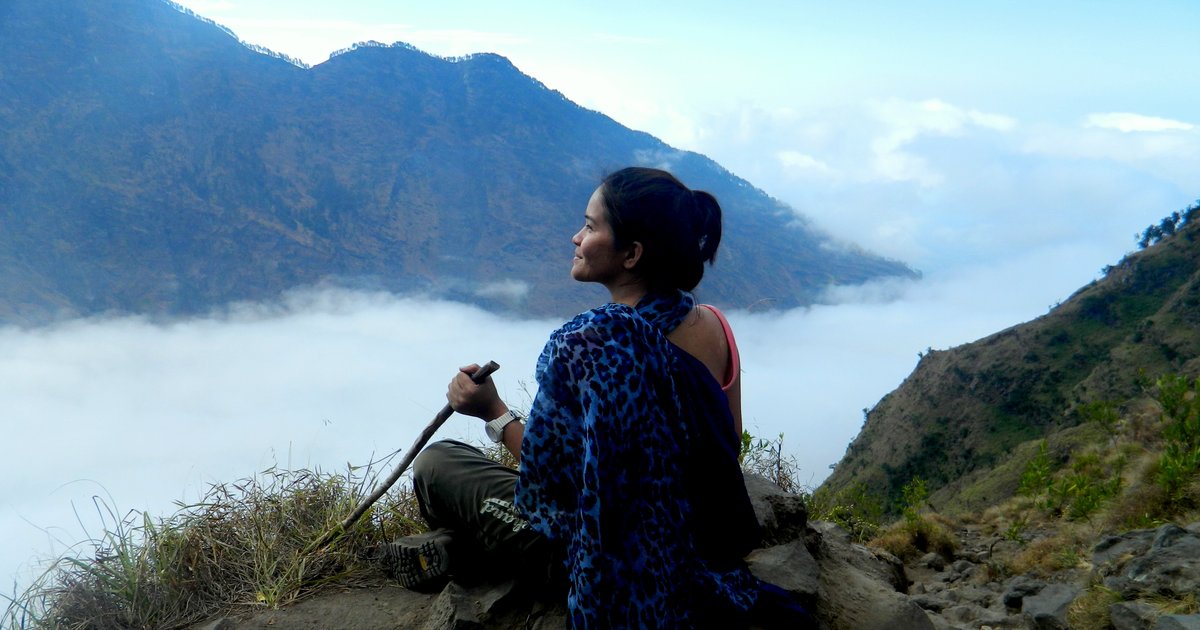
Hundreds of climbing trips have resumed in the Mount Rinjani area of Indonesia following its reopening to local and international tourists on April 1, 2026. The number of climbers has been capped at a maximum of 700 people daily, according to Astiketa Ari Arisno, head of the management department at Mount Rinjani National Park.
The available climbing routes include Senaru, Torean, Simbolon, Timbanne, Titibatu, in addition to the educational route Aik Berik. Climbers have shown great enthusiasm to resume activities after a three-month closure due to harsh weather conditions and the need to restore the ecosystem in the area.
Event Details
On the first day of reopening, most climbers were local tourists, with a noticeable increase in their numbers over the following four days. The ticket booking system for climbing Mount Rinjani has been open since March 6, 2026, allowing tourists to book their tickets via the E-Rinjani app available on both Android and iOS platforms.
Budi Kurniawan, head of Mount Rinjani National Park, emphasized the importance of not rushing to book tickets, as visitors can always choose other dates if seats are filled. He assured that Mount Rinjani is always ready to welcome climbers.
Background & Context
Mount Rinjani, the second highest active volcano in Indonesia, is a popular tourist destination, attracting visitors from around the world. The area was closed from January 1 to March 31, 2026, allowing authorities the opportunity to improve safety aspects, conserve the environment, and manage the destination more comprehensively in collaboration with the local government and community.
During the closure, a comprehensive assessment of the environmental condition and supporting facilities was conducted, along with the readiness of human resources to welcome the tourism season. A safer and more modern system has been implemented, including activating a GPS tracking system using RFID devices and developing an integrated command center.
Impact & Consequences
The reopening of Mount Rinjani is a significant step in boosting tourism in Indonesia, especially after the negative impacts the tourism industry faced due to the COVID-19 pandemic. The resumption of tourism activities contributes to supporting the local economy and enhances job opportunities in the region.
Additionally, the implementation of a modern management system ensures the safety of climbers and enhances the visitor experience, which may lead to an increase in the number of international tourists in the future. These steps reflect the Indonesian government's commitment to environmental conservation and promoting sustainable tourism.
Regional Significance
Tourism is a vital sector that contributes to strengthening relations between countries, and the experience at Mount Rinjani could serve as a model for the Arab region. Arab countries can benefit from Indonesia's experiences in managing eco-tourism and enhancing safety for visitors.
There could also be opportunities for tourism cooperation between Arab countries and Indonesia, fostering cultural and economic exchange between both parties. Promoting sustainable tourism can have a positive impact on local communities in the Arab world.