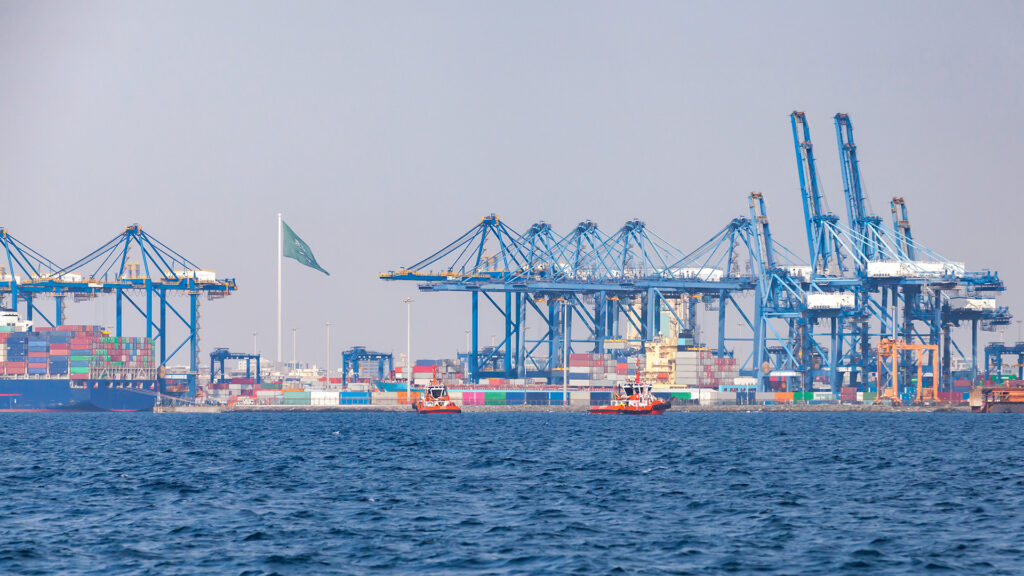
The Red Sea ports have experienced active commercial movement in recent days, with approximately 16,000 tons of diverse general cargo being traded. Additionally, 895 trucks loaded with various types of goods have entered the ports, underscoring the significance of these ports as a vital link in the supply chain.
The Red Sea ports are among the most prominent in Egypt, playing a pivotal role in facilitating trade between nations. These ports receive a variety of shipments, including food products, consumer goods, and raw materials, contributing to the support of the local economy.
Details of the Activity
The Red Sea ports are distinguished by their strategic location connecting Asia, Africa, and Europe. Recently, there has been an increase in shipping activity, with a significant number of vessels loaded with goods recorded entering and leaving the ports. This activity reflects confidence in the ports' ability to efficiently handle large volumes of shipments.
The traded goods at the ports encompass a wide range of items, which helps meet local market needs and enhances the country's capacity for import and export. This activity also reflects efforts to improve port infrastructure and develop logistics services.
Background & Context
Historically, the Red Sea ports have been an important commercial center since ancient times, serving as trade routes for transporting goods between the East and West. With the evolution of global trade, these ports have become increasingly significant, especially with the rise in international trade movements.
In recent years, the Red Sea ports have undergone significant upgrades to their infrastructure, which has helped increase their capacity and improve operational efficiency. These upgrades include the construction of new docks and the expansion of areas designated for cargo storage.
Impact & Consequences
The active shipping movement at the Red Sea ports is a positive indicator of the recovery of the Egyptian economy. An increase in trading volume translates to higher government revenues from shipping and unloading fees and taxes.
This activity also enhances Egypt's competitiveness in regional and international markets, contributing to attracting foreign investments and bolstering the country's position as a major commercial hub in the region.
Regional Significance
The trade movement at the Red Sea ports directly impacts neighboring countries, as these ports serve as a major transit point for goods heading to Arab markets. Therefore, the increase in commercial activity benefits neighboring countries by improving supplies and reducing transportation costs.
In conclusion, the recent trading activity at the Red Sea ports reflects the strength of the Egyptian economy and its ability to adapt to global economic challenges. This positive trend is expected to continue in the future, contributing to economic growth in the region.