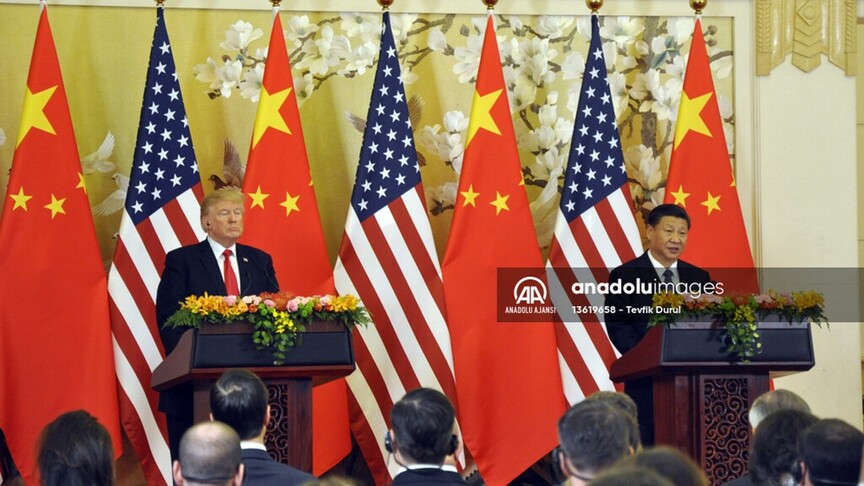
China and the United States are preparing for a new round of trade negotiations in the South Korean capital, Seoul, after previous consultations in Paris. This meeting comes at a critical time ahead of a potential visit by President Donald Trump to Beijing, emphasizing the importance of trade relations between the world's two largest economies.
This meeting is part of a series of talks aimed at addressing outstanding trade issues between the two countries, including tariffs, intellectual property protection, and other matters related to bilateral trade. Senior negotiators from both sides are gathering in Seoul, hoping to achieve tangible progress before Trump's anticipated visit.
Details of the Event
The negotiations are part of ongoing efforts to improve trade relations between China and the United States, which have seen significant tensions in recent years. These tensions have impacted global markets and raised concerns about slowing economic growth. The talks are expected to cover key issues such as tariffs imposed on Chinese goods, which have been part of Trump's trade policy.
Moreover, negotiators are expected to address issues related to Chinese investments in the United States, as Washington seeks to limit Chinese influence in sensitive technological sectors. This meeting represents an opportunity for both sides to reassess their trade strategies and achieve positive outcomes that benefit the global economy.
Background & Context
Historically, trade relations between China and the United States have experienced significant fluctuations, with periods of cooperation and others of conflict. Since Trump took office, his administration has pursued a strict trade policy towards China, leading to the imposition of tariffs on a wide range of goods. In response, China retaliated by imposing similar tariffs on American products, escalating the trade dispute.
Despite these tensions, China and the United States remain among each other's largest trading partners. Therefore, any progress in the current negotiations could have a substantial impact on the global economy, especially given the economic challenges many countries are facing.
Impact & Consequences
The trade negotiations between China and the United States are of great importance not only for the two countries but for the entire world. Any agreement reached could contribute to stabilizing financial markets and enhancing confidence in the global economy. Conversely, if the negotiations fail, it could lead to an escalation of trade tensions, negatively affecting global economic growth.
Additionally, the outcomes of these negotiations may influence the policies of other countries, particularly those that rely on trade with China or the United States. As a result, international observers are closely monitoring the results of these talks.
Regional Significance
Considering the potential impact of these negotiations on the Arab region, any improvement in trade relations between China and the United States could positively reflect on the global economy, potentially leading to increased investments in the region. Arab countries seeking to enhance their trade relations with China may benefit from any agreements that may be reached.
In conclusion, the trade negotiations between China and the United States remain a focal point for the world, serving as an indicator of the future of global economic relations.