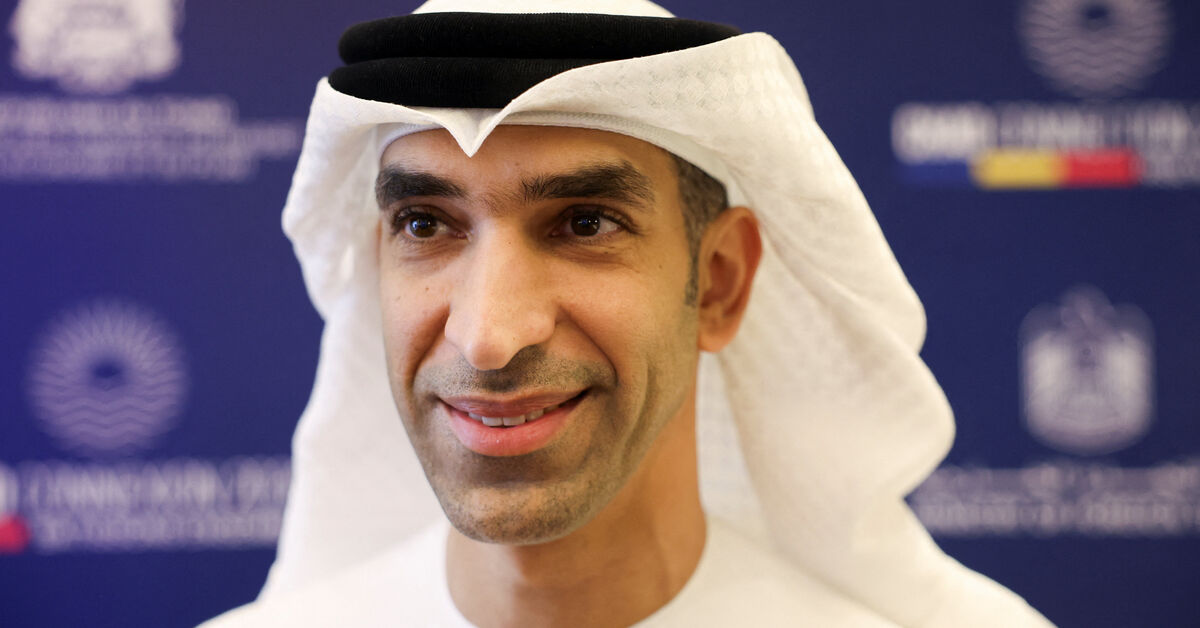
The UAE Minister of State for Foreign Trade, Thani Al Zeyoudi, announced substantial growth in non-oil trade between the UAE and Syria, projecting it to reach $1.4 billion by 2025, representing a 132% increase compared to the previous year. This announcement was made during the first Syrian-UAE investment forum held in Damascus, indicating a marked improvement in relations between the two countries.
Al Zeyoudi emphasized that this increase opens new horizons for expanding bilateral trade, noting that the UAE is considered an important partner for Syria across various sectors. He also highlighted the importance of enhancing economic cooperation between the two nations in light of the current circumstances.
Details of the Trade Growth
This increase in non-oil trade serves as an indicator of the improving political and economic relations between the UAE and Syria, as the UAE has begun to rebuild its ties with Damascus after years of tension. Recent years have seen positive steps towards enhancing economic cooperation, reflecting both countries' desire to strengthen commercial links.
Al Zeyoudi pointed out that the UAE aims to support investment projects in Syria, contributing to economic growth and restoring stability in the country. These initiatives may represent a new beginning for deeper economic relations between the two nations.
Background & Context
Historically, relations between the UAE and Syria have been strained due to the political situation in the region, particularly following the outbreak of conflict in Syria in 2011. However, the UAE has started to reassess its policy towards Syria, opening channels for dialogue and cooperation in recent years.
This shift in UAE policy aligns with its efforts to promote regional stability and achieve economic development. The relationships among Arab countries have notably improved in recent years, reflecting a collective desire to move past disputes and focus on economic collaboration.
Impact & Consequences
This increase in trade is expected to bolster economic stability in Syria, as UAE investments could support development projects and improve living conditions for the population. Additionally, strengthening trade relations could open new avenues for cooperation in other areas such as tourism and energy.
Furthermore, this collaboration may encourage other countries in the region to reevaluate their relations with Syria, potentially leading to greater improvements in the country's economic and political situation.
Regional Significance
The implications of this trade growth extend beyond just economic figures; they signify a broader trend of reconciliation and collaboration in the region. As the UAE and Syria work towards strengthening their ties, it may set a precedent for other nations to follow suit.
In conclusion, the anticipated growth in trade between the UAE and Syria not only reflects a positive shift in bilateral relations but also highlights the potential for increased regional cooperation and stability.