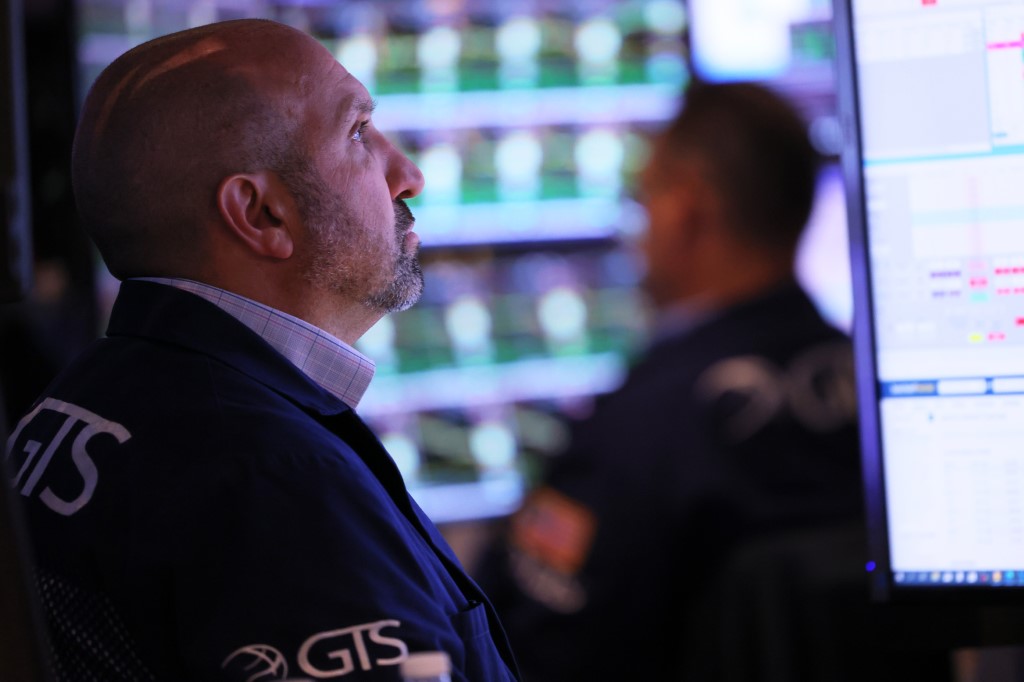
Traders on Wall Street are shifting towards increased cash liquidity, weighing their options amidst uncertainty regarding the future of the market. This shift comes as investors recall the changes made by former President Donald Trump to tariffs last April, which may impact buying and selling decisions in the coming days.
Pressure is mounting on traders as volatility in financial markets continues, making them hesitant to make bold decisions. At the same time, expectations for a market recovery remain, prompting some investors to hold more cash liquidity as a means of protection.
Details of the Event
In recent weeks, financial markets have experienced sharp fluctuations, with opinions diverging on the future direction of prices. Some analysts see an opportunity for market recovery, while others warn of potential risks that could lead to further declines. In this context, many traders are opting to hold cash as a way to avoid risks.
These movements coincide with ongoing economic pressures stemming from the repercussions of the COVID-19 pandemic, which continue to affect many sectors. Additionally, changes in trade policies, particularly those related to tariffs, play a pivotal role in shaping market expectations.
Background & Context
Historically, U.S. financial markets have experienced significant fluctuations due to political and economic changes. Last April, Trump announced changes to tariffs, raising concerns among investors about the impact on the U.S. and global economy. These changes were part of a broader trade policy aimed at protecting domestic industry, but they also sparked negative reactions from trading partners.
Furthermore, the impact of the COVID-19 pandemic on the global economy has complicated the landscape. Lockdowns and movement restrictions have led to a decline in economic activity, increasing uncertainty in the markets.
Impact & Consequences
The potential repercussions of this shift in trader behavior are manifold. On one hand, holding more cash liquidity may reduce pressure on the market in the event of a significant downturn. On the other hand, it may limit investment opportunities during times when prices could be low.
Moreover, changes in tariffs may affect companies reliant on international trade, potentially leading to fluctuations in stock prices. Investors closely monitoring these developments may find themselves in a challenging position, needing to make quick decisions under changing conditions.
Regional Significance
Financial markets in the Arab region are directly affected by changes in U.S. markets. As volatility increases on Wall Street, Arab investors may feel concerned about the impact on their local markets. Additionally, changes in U.S. trade policies may affect trade relations between Arab countries and the United States, which could reflect on economic growth in the region.
Ultimately, the most pressing question remains how markets will react to these changes. Investors in the Arab region need to monitor the situation closely, as any movement on Wall Street could have profound effects on their economies.