The village of Kriyo in Indonesia recently celebrated the Sesaji Rewanda festival, featuring distinctive cultural activities that attracted a large number of local residents. During this event, participants carried agricultural produce in a traditional parade, reflecting the importance of agriculture in the local community's life.
These celebrations are part of Indonesia's rich cultural heritage, blending religious customs with agricultural festivities. The events were held in a festive atmosphere, with streets adorned in vibrant colors and traditional music echoing throughout.
Event Details
The event included a variety of cultural and artistic activities, showcasing traditional dances and folk music. Participants donned traditional attire, adding a joyful and festive spirit to the celebrations. The parade was organized to enhance cultural identity and deepen social bonds among community members.
These celebrations embody the collective spirit of the residents, as everyone collaborates in preparing agricultural produce for the parade. Many participants highlighted the importance of these events in fostering pride in their cultural heritage and preserving it for future generations.
Background & Context
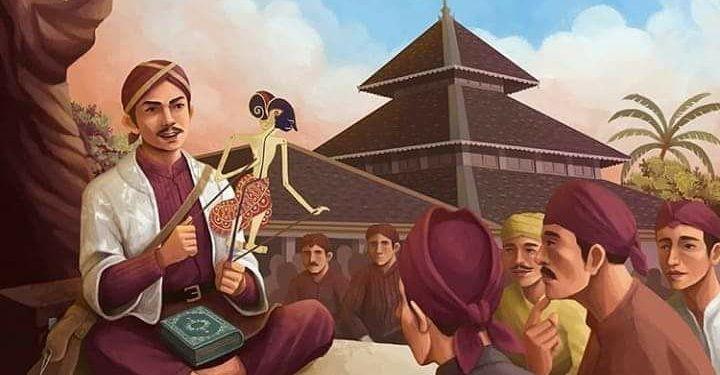
The roots of the Sesaji Rewanda tradition date back to ancient times, where it was celebrated as a means of thanking God for agricultural blessings. Sunan Kalijaga, a prominent religious figure in Indonesia, is a symbol of this tradition, believed to have contributed to the spread of Islam and the promotion of cultural values in the region.
Traditional celebrations in Indonesia are numerous, with agriculture being a fundamental part of the residents' lives. As economic and environmental challenges increase, the community strives to maintain these traditions as a way to enhance cultural identity and sustainability.
Impact & Consequences
The Sesaji Rewanda celebrations present an opportunity to boost cultural tourism in Indonesia, attracting visitors from around the globe. These events also contribute to strengthening the local economy by supporting handicrafts and agricultural products.
These celebrations also illustrate the importance of cultural heritage in promoting unity and social cohesion among community members. In the face of contemporary challenges, these events serve as a bridge connecting different generations, enhancing cultural awareness and encouraging youth participation in preserving their heritage.
Regional Significance
Indonesia is one of the largest Muslim countries in the world, sharing historical and cultural ties with many Arab nations. Celebrations like Sesaji Rewanda highlight the importance of cultural and religious heritage, which can serve as a model for Arab countries to enhance their cultural identity.
Moreover, promoting cultural tourism in Indonesia could inspire Arab nations to invest in their cultural heritage as a means to boost local economies and attract visitors. Fostering pride in cultural heritage can contribute to social and economic stability in the region.
In conclusion, the Sesaji Rewanda celebrations in Indonesia exemplify the significance of cultural heritage in enhancing identity and belonging. These events are not merely celebrations; they express the collective spirit and cooperation among community members, reinforcing values of cohesion and unity.