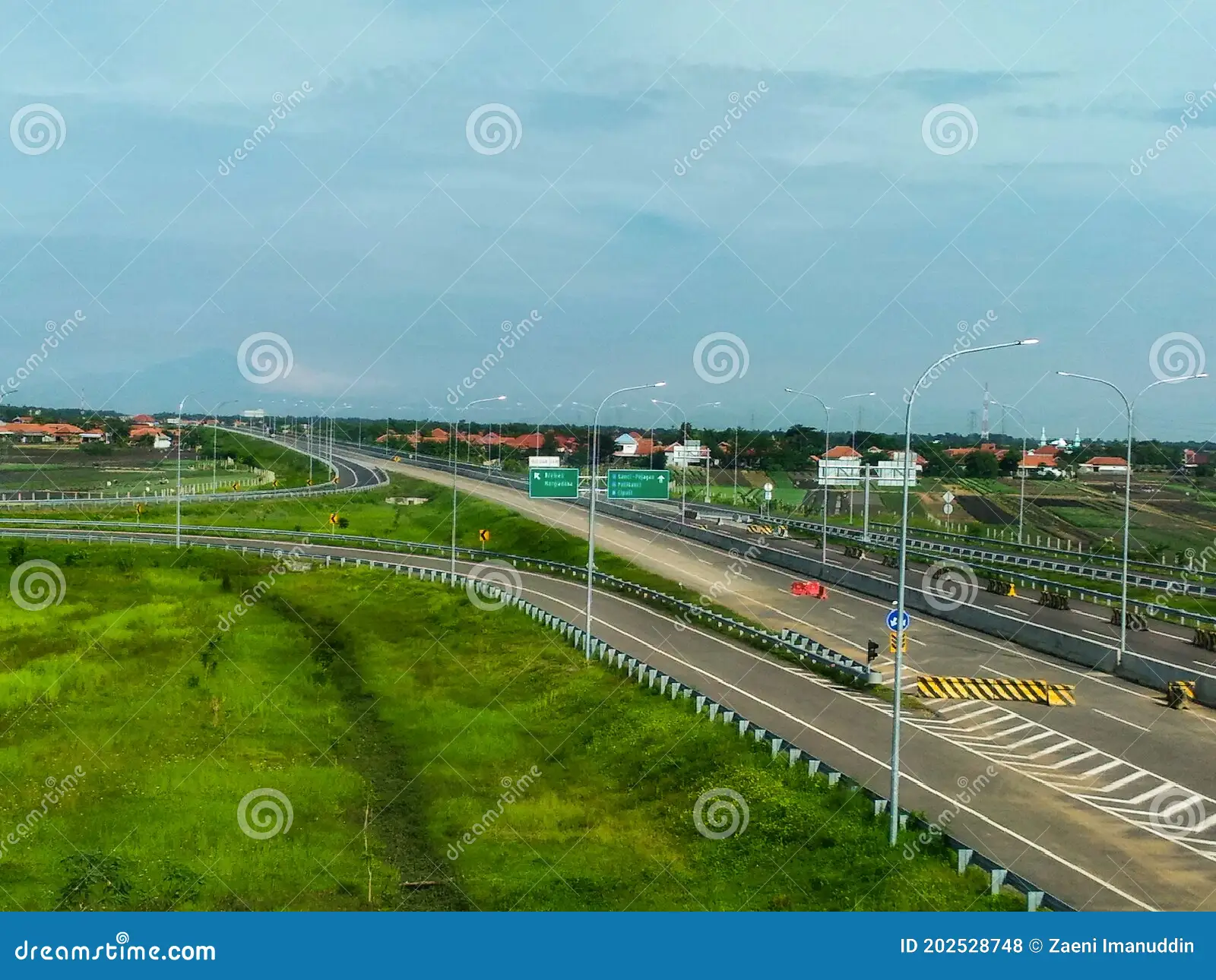
PT Jasa Marga (Persero) Tbk, the operator of the Trans Java highway, announced that traffic on the road has seen a notable decline after the conclusion of the Eid al-Fitr 2026 holiday. The company's CEO, Rivan A. Purwantono, stated that the return traffic to Jakarta from various regions began to decrease starting Sunday, March 29.
Purwantono explained during a press conference at the JTMC traffic control center in Jati Asih, Bekasi, that the decline in traffic was measured based on the volume-to-capacity ratio (V/C ratio) across different sections of the road. Ratios were recorded at several points, such as KM 414 in Kalikangkung at 0.3, in Palikanci at 0.28, in Cibalingbing at 0.22, and in Cikatama at 0.36, indicating an overall reduction in traffic.
Event Details
According to available information, around 2.9 million vehicles entered Jakarta by 10:00 PM on Sunday, representing approximately 86% of the total expected vehicles. Purwantono also noted that the number of vehicles entering the capital that night alone reached 166,000. The counting process is expected to continue until Monday morning, with estimates ongoing until 06:00.
This decline in traffic comes after a period of heavy congestion experienced on the roads during the Eid al-Fitr holiday, as many people traveled to their hometowns to celebrate with their families. With the holiday over, many travelers began returning to the capital, leading to increased pressure on the roads.
Background & Context
The Eid al-Fitr holiday in Indonesia is one of the largest occasions that sees significant travel activity, with millions of people traveling across the country. In recent years, there has been a noticeable increase in the number of vehicles on the roads, prompting the development of road infrastructure, including the Trans Java highway, which is one of the most important highways in the country.
Historically, Indonesia has faced issues with traffic congestion, especially during holiday periods. The government has worked to improve and expand the road network to meet the growing demand. However, congestion remains a significant challenge, particularly in major cities like Jakarta.
Impact & Consequences
The decline in traffic following the Eid al-Fitr holiday is a positive indicator of the infrastructure's ability to handle the sudden increase in the number of vehicles. It also reflects the government's capacity to manage traffic effectively, helping to reduce congestion and improve the travel experience for citizens.
However, the question remains about how to address traffic congestion in the future, especially with projections of population and vehicle increases in the coming years. The government needs long-term strategies to enhance public transportation and promote the use of alternative transport methods.
Regional Significance
Although this news pertains to Indonesia, the lessons learned from traffic management could be valuable for Arab countries facing similar congestion issues. Many Arab cities, such as Cairo and Riyadh, face significant traffic challenges, necessitating effective strategies to improve infrastructure and public transport.
Ultimately, Indonesia's experience in managing traffic during holiday periods could serve as an important lesson for Arab countries on how to tackle congestion and enhance the travel experience for citizens.