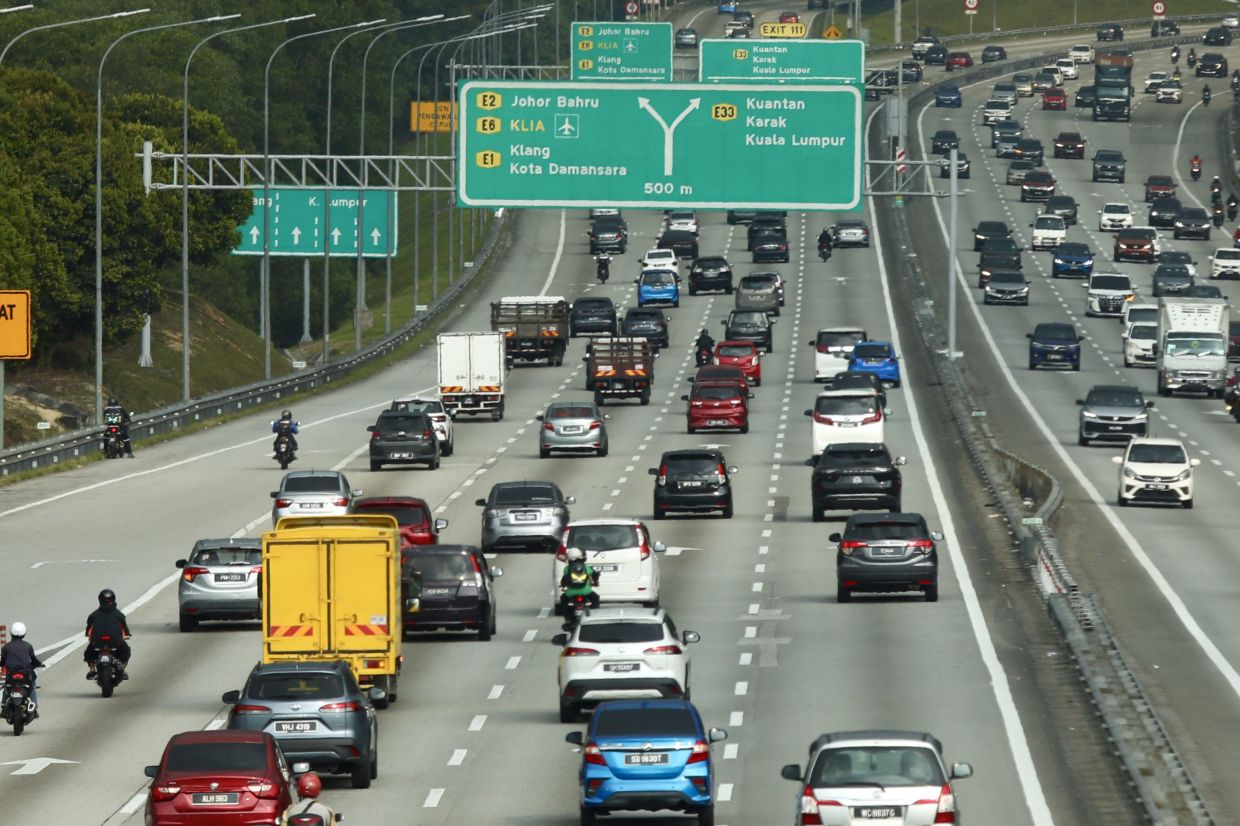
Traffic on several major roads in Malaysia has noticeably slowed since 11 AM on Saturday as travelers return home after the Eid al-Fitr holiday. This increase in traffic is expected to continue in the coming days.
The number of travelers returning to their cities after the Eid al-Fitr celebrations is rising, leading to traffic congestion on the main highways. Local authorities have reported an increase in the number of vehicles, raising concerns about potential traffic jams in the coming days.
Details of the Event
Traffic is significantly increasing on highways across the country, as many travelers prefer to return home after spending the Eid al-Fitr holiday with their families. The Malaysian Ministry of Transport has announced additional measures to alleviate congestion, including increasing the number of checkpoints and providing real-time traffic information to drivers.
Authorities expect this trend to continue over the next few days as many workers and students return to their cities after the holiday. Major roads have been equipped with more services to ensure the safety of travelers and facilitate traffic flow.
Background & Context
Eid al-Fitr is one of the most important holidays in Islamic culture, celebrated by Muslims worldwide following the month of Ramadan. In Malaysia, this period is seen as an opportunity to celebrate with family and friends, resulting in a significant increase in travel activity. Historically, the country has witnessed a notable rise in traffic during this time, putting pressure on transportation infrastructure.
The highways in Malaysia are among the most important means of transportation, connecting major cities with rural areas. With the growing population and increased car usage, managing traffic has become a significant challenge for local authorities.
Impact & Consequences
The increase in traffic affects the local economy, as congestion can lead to delays in the transportation of goods and services. Additionally, the congestion may negatively impact travelers' experiences, increasing stress and anxiety levels.
The Malaysian government is striving to improve transportation infrastructure and expand the road network to meet the growing needs of the population. However, the challenges it faces in managing traffic during peak periods such as Eid al-Fitr remain persistent.
Regional Significance
Many Arab countries share similar traditions during holidays, experiencing noticeable increases in traffic during holiday periods. Malaysia's experiences in managing traffic during holidays could be beneficial for Arab countries facing similar challenges.
It is essential for Arab nations to adopt effective strategies for managing traffic during peak times, including improving transportation infrastructure and providing accurate traffic information to travelers.