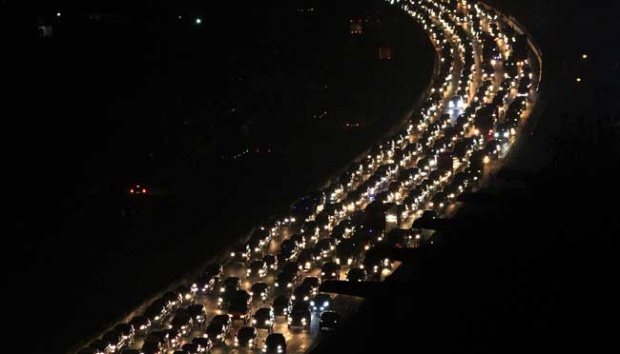
Traffic on the Jakarta-Cikampek route has seen a significant increase following Eid Al-Fitr, with over 670,470 vehicles recorded between March 21 and March 30, 2026. This surge comes as the flow of vehicles towards the Indonesian capital continues, reflecting the return of citizens after the celebrations.
According to statements from Ria Marlinda Baalu, the legal secretary of PT Jasamarga Transjawa Tol, the number of vehicles passing through the Cikampek Main Gate increased by 135.77% compared to the normal traffic of 284,375 vehicles.
Event Details
From March 11 to March 30, 2026, a total of 846,535 vehicles were recorded coming from the eastern regions of Java, representing an increase of 51.22% compared to the normal traffic of 559,820 vehicles. Additionally, 10,607 vehicles were recorded during the morning period of March 31, marking an increase of 36.18% over the normal rate.
Traffic continues to rise, indicating that the return from the eastern regions is still ongoing. Ria confirmed that the company is working to improve services at the Cikampek Main Gate by operating 17 gates towards Jakarta and 13 gates in the opposite direction.
Background & Context
The Eid Al-Fitr period in Indonesia is one of the busiest times on the roads, as millions of citizens travel to their villages to celebrate with their families. This tradition, known as mudik, typically sees a significant increase in traffic, leading to major congestion on the main roads.
Historically, Indonesia has faced significant challenges in managing traffic during these periods, prompting the government to take measures to improve infrastructure and expand roads. However, the increase in the number of vehicles remains a major challenge.
Impact & Consequences
The increase in traffic directly affects the local economy, as there is a growing need to improve logistics and transportation services. Enhanced traffic management can reduce accidents and increase safety for drivers and pedestrians alike.
Furthermore, reducing toll fees, such as the 23% reduction on the tolls for the Batang-Semarang route, aims to alleviate the financial burden on drivers and encourage more people to use the highways.
Regional Significance
Indonesia's experience in managing traffic during holiday periods serves as an important lesson for many Arab countries facing similar challenges. Arab nations can benefit from Indonesia's strategies in improving infrastructure and providing better services for travelers.
In conclusion, traffic on the Jakarta-Cikampek route remains an indicator of the challenges Indonesia faces during holiday periods, necessitating effective strategies to improve traffic management and provide better services for citizens.