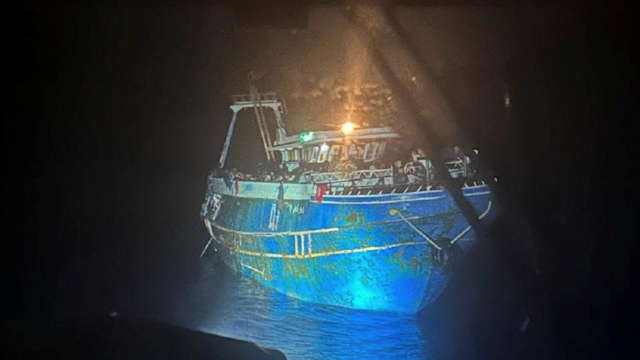
The Mediterranean Sea has witnessed a new humanitarian tragedy, with 655 migrants reported dead in January and February 2026, according to estimates from the International Organization for Migration. Non-governmental organizations suggest that the actual number may exceed a thousand, highlighting the challenges in accurately counting casualties.
This discrepancy in numbers reflects the significant challenges faced by stakeholders in collecting data on migration victims, as methodologies vary between countries and humanitarian organizations. Political factors also play a role in shaping these statistics, making it difficult to arrive at accurate estimates.
Details of the Incident
In 2024, statistics on deaths along the Canary Islands route showed significant discrepancies, with the Spanish organization Comando Frontera recording 9,757 deaths, while the International Organization for Migration reported only 1,215 cases. This variation highlights the difficulties faced by different entities in documenting drowning and disappearance cases.
Data from the International Organization for Migration indicates that the beginning of 2026 was the worst since statistics began in 2014, with storms such as Hurricane Harry contributing to the rising number of missing persons. Non-governmental organizations rely on methods such as participatory mapping and direct testimonies from migrants and their families, which provide them with higher estimates.
Background & Context
The Mediterranean Sea is considered a dangerous area for migrants, with tragic incidents continuing to rise. As surveillance on the activities of non-governmental organizations increases, the ability to verify numbers becomes more challenging. Some countries, such as Italy and Tunisia, have stopped publishing data on rescues or interceptions of migrants, further complicating the situation.
The International Organization for Migration excludes certain incidents from its statistics, such as those occurring in detention centers or related to traffickers, which may affect the accuracy of the figures. Nevertheless, the data indicates a clear trend: the Mediterranean remains the most dangerous migration route in the world.
Impact & Consequences
Despite the horrific numbers, the migrant tragedy no longer receives the media and political attention it deserves. Cases of drowning and disappearance have become part of the "daily reality" for migrants, making the need to address this humanitarian crisis more urgent than ever.
These conditions require immediate action from the international community, as there must be an effective response to tackle this tragedy. Failure to act could exacerbate the situation and increase the number of victims in the future.
Regional Significance
This tragedy directly affects Arab countries, which serve as launching points for migrants heading to Europe. The increasing number of victims reflects the difficult economic and political conditions faced by many countries in the region, driving young people to risk their lives in search of a better life.
These conditions necessitate serious steps from Arab governments to improve living conditions and provide job opportunities, so that young people are not forced to make dangerous decisions that could lead to the loss of their lives.