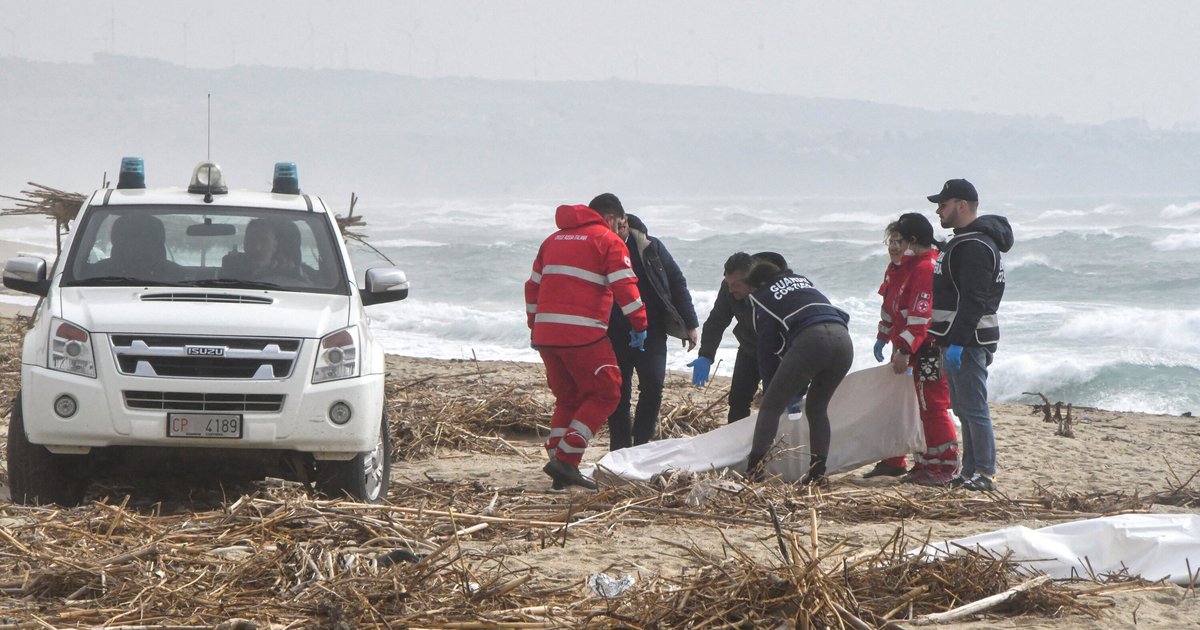
In a tragic incident, a wooden boat carrying 105 migrants sank off the coast of Libya, leading to the death or disappearance of over 70 individuals. According to reports from non-governmental organizations, the boat was on a perilous journey, having set sail from Libya, which is considered a major departure point for migrants seeking to reach Europe.
This incident comes at a critical time as the Mediterranean Sea has seen a notable increase in the number of migrants attempting to cross its treacherous waters. Since the beginning of the year, the International Organization for Migration has reported that 683 migrants have died or gone missing at sea, underscoring the escalating risks faced by these individuals in their quest for a better life.
Details of the Incident
According to sources, the boat was carrying a diverse group of individuals, including women and children, which adds to the tragedy of the event. It is believed that the boat encountered difficulties at sea, leading to its sinking late at night. This incident reflects the dire situation that migrants face in the region, where they are exposed to significant risks while attempting to escape crises in their home countries.
Libya serves as a major departure point for migrants, as many seek to flee from conflict and poverty. However, the journey across the Mediterranean is fraught with danger, as migrants face the risks of drowning and detention by authorities.
Background & Context
Historically, the Mediterranean Sea has witnessed numerous tragic incidents related to migrants. For years, this region has become one of the most dangerous migration routes in the world. Despite international efforts to curb this phenomenon, the numbers remain high, reflecting a failure to address the root causes of migration.
Pressure is mounting on European countries to deal with the influx of migrants, leading to escalating political and social tensions. In recent years, some European nations have implemented strict measures to limit migration, which has increased the dangers faced by migrants at sea.
Impact & Consequences
This incident serves as a harsh reminder of the humanitarian consequences of irregular migration. As the number of migrants rises, there is an increasing need for comprehensive solutions that address the root causes of migration, such as conflict and poverty in their countries of origin.
This crisis requires a coordinated international response, where both wealthy and poor nations must work together to provide the necessary support for migrants and protect their rights. Efforts must also be strengthened to provide safe and legal alternatives for migration.
Regional Significance
These incidents directly affect the Arab region, reflecting the humanitarian crises faced by many countries. As the number of migrants increases, so does the pressure on neighboring countries, exacerbating humanitarian conditions.
Arab countries must cooperate in addressing these issues by providing support to conflict-affected nations and enhancing humanitarian efforts to assist migrants. There is also an urgent need to develop comprehensive migration policies that reflect humanitarian values and ensure the rights of migrants.