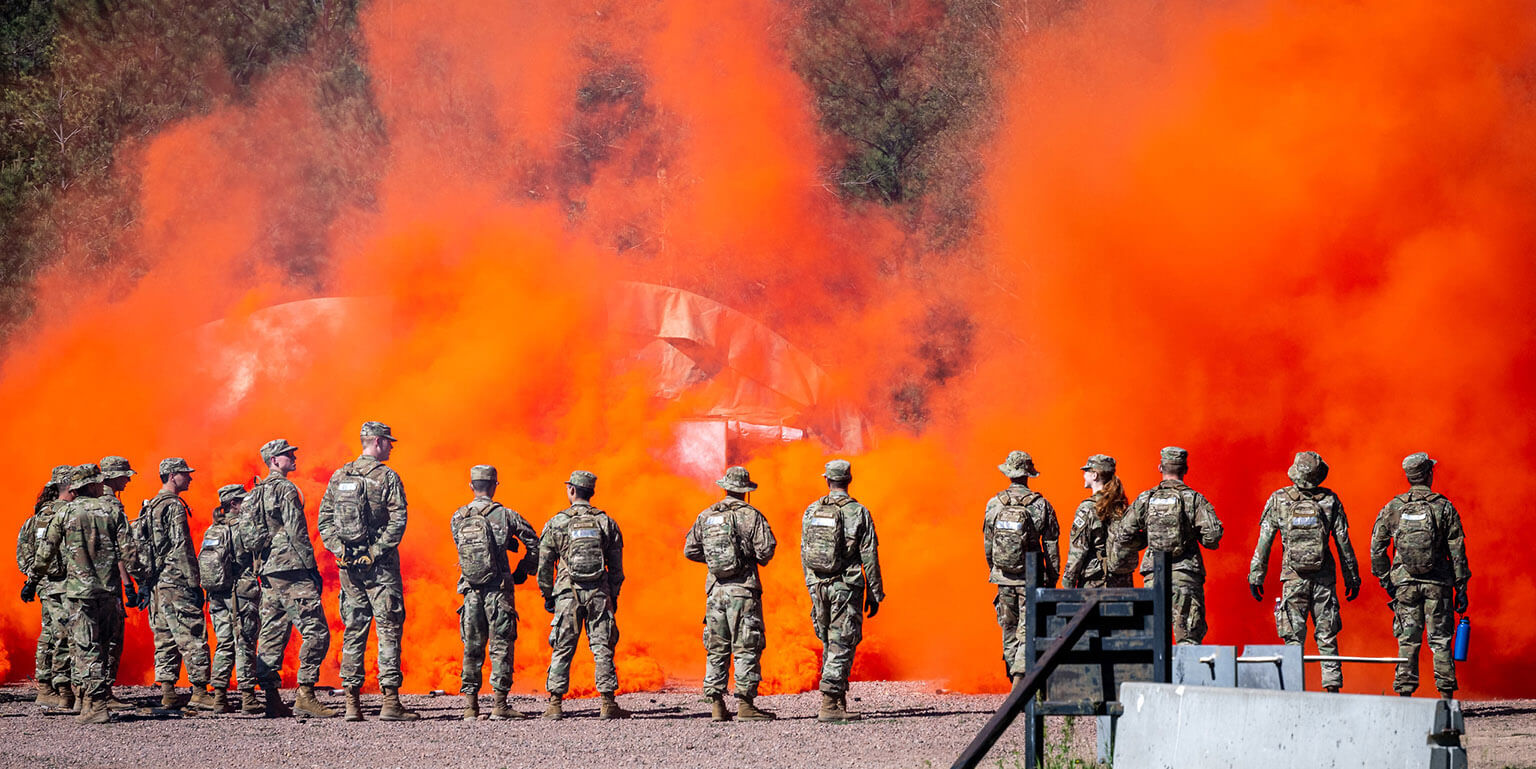
Elite pilots in the U.S. Army are undergoing advanced training in anticipation of potential capture behind enemy lines, similar to an incident involving an F-15 crew member in Iran. This training emphasizes four key principles: survival, evasion, resistance, and escape, based on the motto "the survivor's mission is to return with honor."
This training draws on previous experiences, as the U.S. Army aims to prepare its pilots to survive and avoid capture, as well as resist exploitation if they do become prisoners. According to retired Major General David Deptula, Dean of the Mitchell Institute for Aerospace Studies, these exercises are designed to improve pilots' chances of survival.
Details of the Training Event
Typically, a pilot who ejects from a downed aircraft survives by parachuting, but they face dangerous conditions that require a focus on survival. This includes prioritizing actions to reduce stress and conserve energy. The military emphasizes that the best way to achieve this is by using a mnemonic based on the word "survival," where each letter corresponds to a required action.
These actions include assessing the situation, treating injuries, identifying hiding places, and evaluating the value of life. Pilots undergo trials in hostile environments such as deserts and polar regions, where they learn how to collect water from rivers, start fires, and build shelters using palm fronds.
Background & Context
This training is a fundamental part of the U.S. Army's strategy, teaching pilots how to evade capture. This involves implementing strategies to escape from hostile areas, ensuring they have the best chance of survival. The story of Captain Scott O'Grady, whose aircraft was shot down in 1995 during the Bosnian War, highlights the importance of this training, as he spent six days in enemy territory and had to eat ants to survive.
The training also includes a resistance component, where pilots learn combat skills and the use of light weapons, adhering to rules of engagement consistent with the Geneva Conventions. This element is based on an executive order from President Dwight Eisenhower, which establishes a standard for military personnel at risk of capture.
Impact & Consequences
This training underscores the importance of mental and physical preparedness for pilots, reflecting the U.S. Army's commitment to enhancing their capabilities in the face of challenges. These preparations also reflect the evolution of modern combat strategies, as the military seeks to minimize potential risks to its personnel.
Survival programs also incorporate advanced equipment such as flare bombs and radio devices, aiding pilots in effectively evading the enemy. These exercises not only improve survival chances but also boost morale and self-confidence among pilots.
Regional Significance
This training serves as an indicator of ongoing tensions in conflict zones, with U.S. forces remaining active in various regions around the world. These preparations reflect the challenges military forces face under complex conditions, impacting regional stability.
In light of these circumstances, Arab nations must closely monitor these developments, as they may influence their own security and military strategies. Understanding how U.S. forces prepare can assist Arab countries in enhancing their strategies to address security challenges.
In conclusion, these exercises reflect the U.S. Army's commitment to enhancing its pilots' capabilities, contributing to improved chances of survival and safe return home.