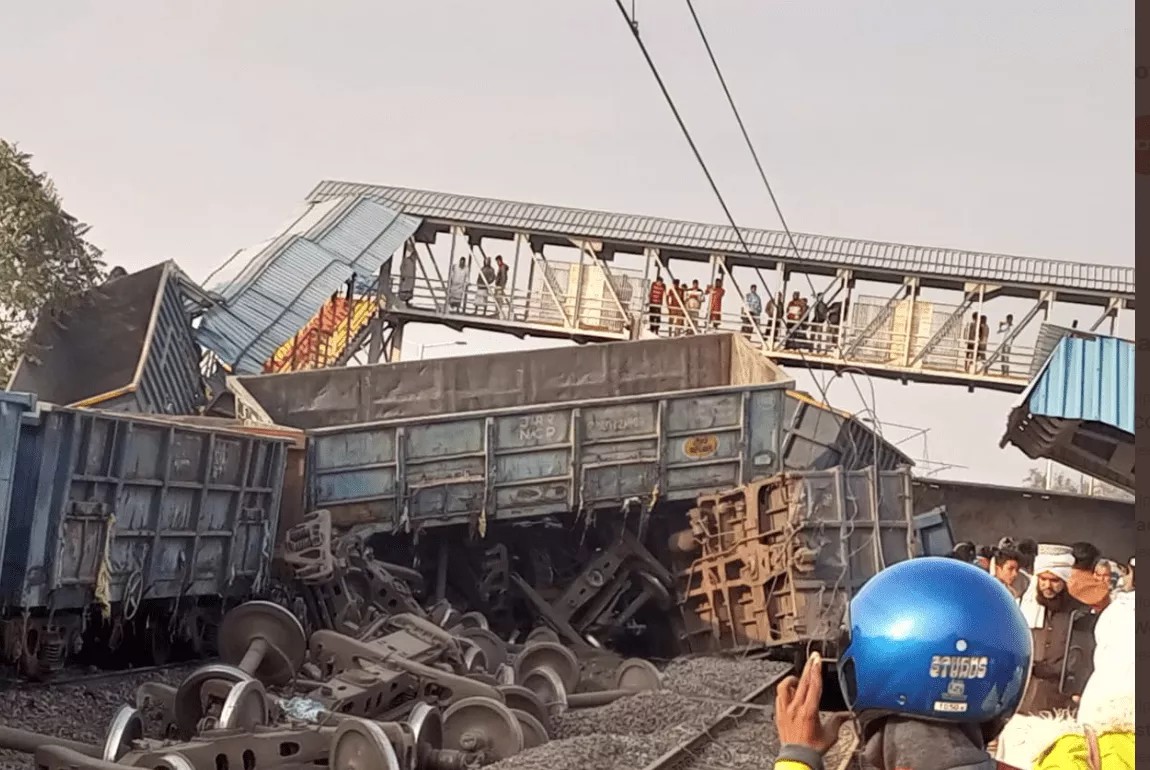
In a positive announcement, PT KAI Daerah Operasi (Daop) 2 in Bandung, Indonesia, confirmed that train operations are running normally and without interruption, despite a derailment incident involving one of the trains at Bumi Ayu station in Central Java. The incident, which occurred at 14:15 local time, necessitated swift action to ensure passenger safety and the continuity of service.
The Public Relations Manager at KAI Daop 2, Kuswardojo, explained that all trains departing from Bandung, including the Argo Wilis, Turangga, and Lodaya services, were unaffected by the incident, with no delays or cancellations reported. He expressed relief at the smooth continuation of services.
Details of the Incident
The incident at Bumi Ayu station was caused by the derailment of the Pangunkarta train (161), prompting the redirection of several trains to avoid further delays. As a precautionary measure, the company rerouted five long-distance trains to operate via the Kroya-Bandung-Cikampek lines, reflecting the company's commitment to passenger safety.
The rerouted trains included the Argo Semeru (5) from Surabaya to Gambir, the Gaya Baru Malam Selatan (89) from Surabaya to Pasarsenen, the Progo (257) from Lempuyangan to Pasarsenen, the Singosari Yogyakarta (107) from Yogyakarta to Pasarsenen, and the Singosari Yogyakarta (108) from Pasarsenen to Lempuyangan.
Background & Context
Indonesia's railway network is one of the oldest transportation systems in the country, playing a vital role in connecting major cities and facilitating the movement of goods and passengers. However, incidents such as train derailments raise concerns about public transport safety, necessitating ongoing improvements in infrastructure and technology.
In recent years, Indonesia has seen significant investments aimed at modernizing its railway network, including the introduction of new technologies to enhance safety and efficiency. Nevertheless, accidents remain a challenge for the sector, requiring prompt and effective responses from the companies involved.
Impact & Consequences
The recent incident may affect passenger confidence in the railway system, especially amidst a rise in similar accidents. However, PT KAI's swift response and precautionary measures may help mitigate the negative impact on its reputation. It is crucial for the company to continue enhancing safety standards to ensure passenger comfort.
This incident also highlights the need for continuous improvements in railway infrastructure, as any delays or disruptions can impact the local economy and lead to a loss of trust in public transportation.
Regional Significance
The railway system in Indonesia is not only essential for passenger transport but also for economic activities across regions. Ensuring the reliability and safety of train services is critical for maintaining economic stability and fostering public confidence in the transportation sector.
In conclusion, the incident at Bumi Ayu serves as a reminder of the challenges faced by the railway industry in Indonesia. Ongoing efforts to enhance safety and infrastructure will be vital in securing the future of train travel in the country.