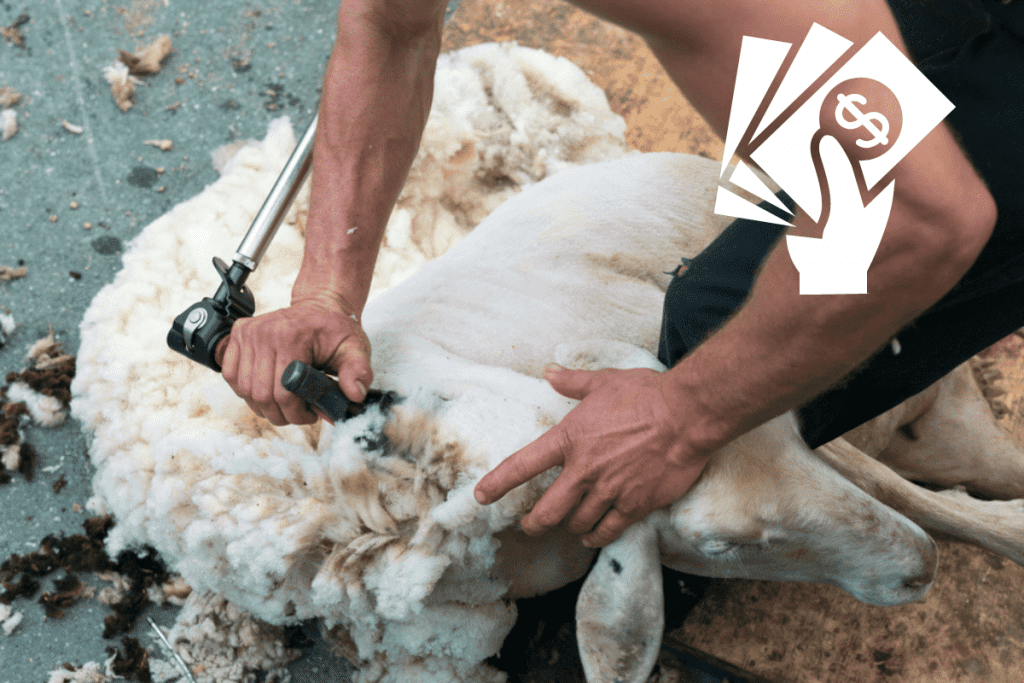
The Desert Research Center has announced the organization of a new training program focusing on wool shearing technology, aimed at supporting breeders and farmers in the North Sinai region. This program is part of the center's efforts to enhance agricultural and livestock productivity in the area, where wool shearing is a vital process that contributes to improving wool quality and increasing the economic returns for breeders.
The training program includes a series of lectures and workshops presented by experts in sheep breeding and farm management. The training will also cover modern techniques in wool shearing, which will help improve the efficiency of breeders and provide them with the necessary knowledge to enhance their productivity.
Event Details
The training program targets breeders and farmers in North Sinai, and it will be organized in several different locations to facilitate access for as many beneficiaries as possible. A significant number of local breeders are expected to participate, as they seek to improve their skills in wool shearing.
The program will also provide information on the latest technologies used in wool shearing, as well as how to handle sheep in a manner that ensures their safety and the quality of the wool produced. This program comes as part of a comprehensive strategy aimed at developing the agricultural and livestock sectors in the region.
Background & Context
North Sinai is considered a region rich in natural resources, where many of its residents rely on sheep breeding as a primary source of income. However, breeders face numerous challenges related to production techniques and management methods. Therefore, organizing such training programs is an important step towards enhancing local capabilities and improving living standards.
This program comes at a time when the region is witnessing increased efforts from the Egyptian government to support agricultural and livestock development, as these sectors represent a fundamental part of the local economy. Studies have shown that improving wool shearing techniques can lead to a significant increase in the economic returns for breeders.
Impact & Consequences
The training program is expected to contribute to improving the quality of wool produced in North Sinai, thereby enhancing breeders' ability to compete in local and regional markets. Additionally, increased productivity will lead to an improved standard of living for local residents, positively impacting the local economy.
Moreover, enhancing local capabilities in wool shearing will help create new job opportunities, contributing to reducing unemployment rates in the region. Improving wool quality can also open new avenues for export, strengthening North Sinai's position as a major center for wool production in Egypt.
Regional Significance
This training program serves as a model for other Arab countries facing similar challenges in the agriculture and livestock sectors. Countries that rely on sheep breeding can benefit from the exchange of experiences and modern techniques, thereby enhancing their production capabilities.
Furthermore, boosting local wool production can contribute to achieving food and economic security in the region, making it less dependent on imports. In light of global economic challenges, supporting local sectors becomes vital for the future of development in Arab countries.