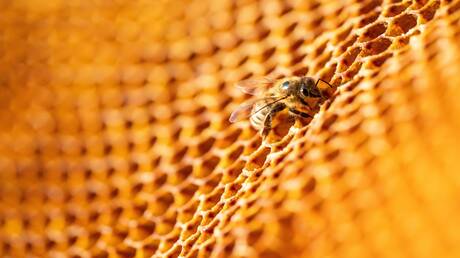
The Lebanese Ministry of Agriculture has announced the initiation of transferring beehives from hazardous southern regions to safer areas. This move aims to protect the beekeeping sector and ensure the continuity of agricultural production in the country. This initiative comes amid the challenging conditions faced by farmers and beekeepers in the south, where risks have increased due to unstable security and environmental situations.
Beekeeping is considered a vital sector in Lebanon, playing a fundamental role in enhancing agricultural production through pollination and honey production. However, the threats facing this sector require a swift and effective response from the government.
Details of the Initiative
The Ministry of Agriculture has begun implementing a comprehensive plan to transfer beehives from areas experiencing security tensions to safer locations, where new sites with suitable conditions for beekeeping have been identified. The ministry has confirmed that this process will help protect the bees from potential dangers, ensuring the continuity of agricultural production.
The plan also includes providing technical and logistical support to beekeepers, including supplying the necessary equipment to ensure the safety of the beehives during the transfer process. Additionally, the ministry will organize workshops to educate beekeepers on best practices in beekeeping under the new conditions.
Background & Context
The agricultural sector in Lebanon faces multiple challenges, including economic and political crises, in addition to climate changes affecting the agricultural environment. Beekeeping is part of Lebanon's agricultural heritage, contributing to providing income sources for many families.
Over the years, Lebanon has witnessed a deterioration in food security, increasing the importance of protecting agricultural sectors, including beekeeping. The current situation has led to a decline in honey production, threatening the livelihoods of beekeepers and impacting local markets.
Impact & Consequences
The transfer of beehives is expected to improve the economic conditions for beekeepers, helping them restore their production and increase their income. Furthermore, protecting the bees will enhance overall agricultural production, contributing to improved food security in Lebanon.
This step also sends a positive message to farmers and beekeepers in Lebanon, reflecting the government's commitment to supporting the agricultural sector in facing challenges. The success of this initiative may encourage the implementation of similar projects in other regions of the country.
Regional Significance
Lebanon's experience in transferring beehives serves as a model for other countries facing similar challenges in the agricultural sector. Arab countries may benefit from this experience in developing strategies to protect agriculture and beekeeping under difficult conditions.
Strengthening the beekeeping sector in Lebanon can have a positive impact on food security in the region, as bees play a vital role in pollinating agricultural crops. Thus, protecting this sector can contribute to achieving agricultural sustainability in Arab countries.
In conclusion, the Lebanese Ministry of Agriculture's step to transfer beehives from the south to safer areas is an important move towards protecting the beekeeping sector and ensuring the continuity of agricultural production. This initiative reflects the importance of cooperation between the government and farmers in facing challenges and achieving food security in Lebanon.