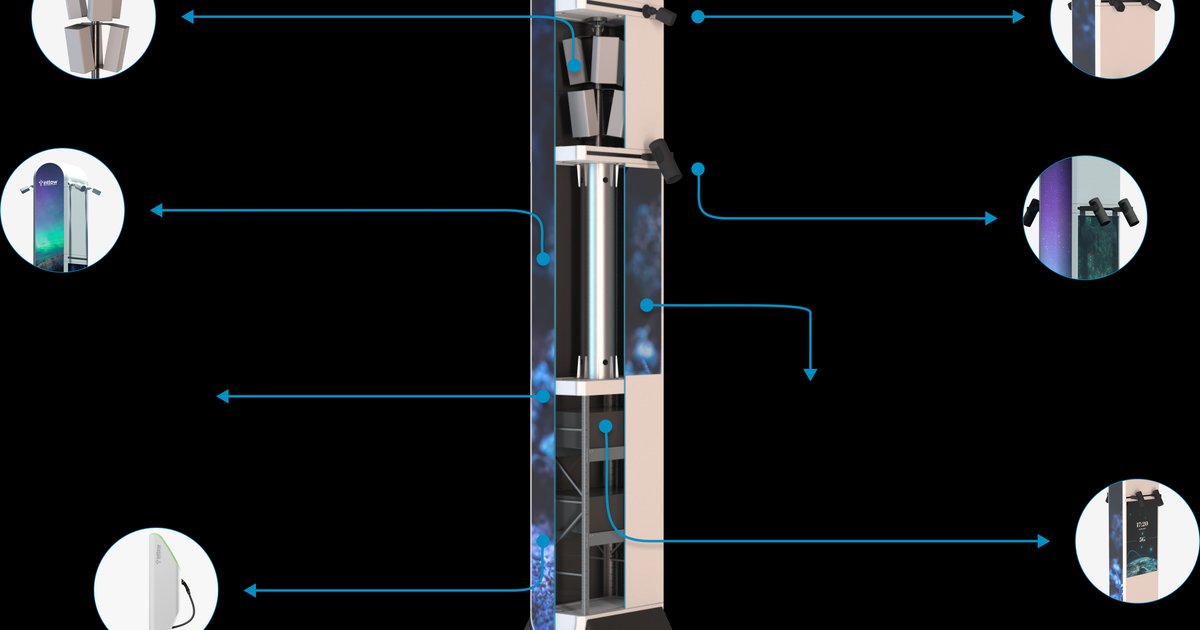
IT experts have announced a radical shift in the management of communication towers, set to become smart infrastructure relying on live data by 2026. This transformation responds to the increasing demand for stable and reliable networks in the era of 5G.
In recent years, the focus has been on internet speed and network coverage, but attention is now shifting to the physical foundations of these networks. Towers are no longer just static structures; they now require intelligent management based on live data.
Event Details
As we approach 2026, the function of communication towers will change significantly. These towers will transform into what are known as smart towers, utilizing advanced technologies for continuous performance monitoring. This shift aligns with the growing need for stable and reliable connectivity across various sectors, including banking, commerce, and education.
These new changes necessitate advanced systems to monitor the operational status of the towers. Sensors will be installed in various parts of the towers to monitor factors such as device temperature and energy consumption. This data will be sent to a central performance monitoring system, allowing for real-time operational status checks.
Background & Context
Historically, the management of communication towers relied on traditional methods requiring periodic human intervention. Problems were only discovered after they occurred, leading to delays in repairs and increased operational costs. With the emergence of digital technology, it has become essential to adopt new methods that enable rapid responses to challenges.
The importance of these transformations is increasing amid the growing reliance on digital services. In the 5G era, infrastructure must be capable of handling massive amounts of data. Therefore, the shift to smart towers represents a necessary step to meet these demands.
Impact & Consequences
The transition to smart towers is a significant step towards improving network efficiency and reducing downtime. By utilizing live data, managers can make informed decisions before problems arise, thereby minimizing risks and enhancing operational efficiency.
Moreover, these systems will aid in better energy consumption management. With the increasing number of connected devices, accurately monitoring energy consumption becomes crucial. This transformation will enable a reduction in energy waste and promote environmental sustainability.
Regional Significance
In the Arab region, the shift to smart towers is a strategic step to enhance digital infrastructure. As reliance on digital services grows, these transformations will contribute to improving the quality of services provided to citizens.
Additionally, investments in this area will open new avenues for innovation and strengthen collaboration between technology companies and governments. These developments can contribute to achieving sustainable development goals in the region.
In conclusion, the transformation of communication towers into smart infrastructure represents a step towards the future, contributing to improved service quality and increased operational efficiency. Adopting these modern technologies is an urgent necessity to keep pace with global developments in the field of communications.